


How Does a Turbocharger Affect Horsepower?
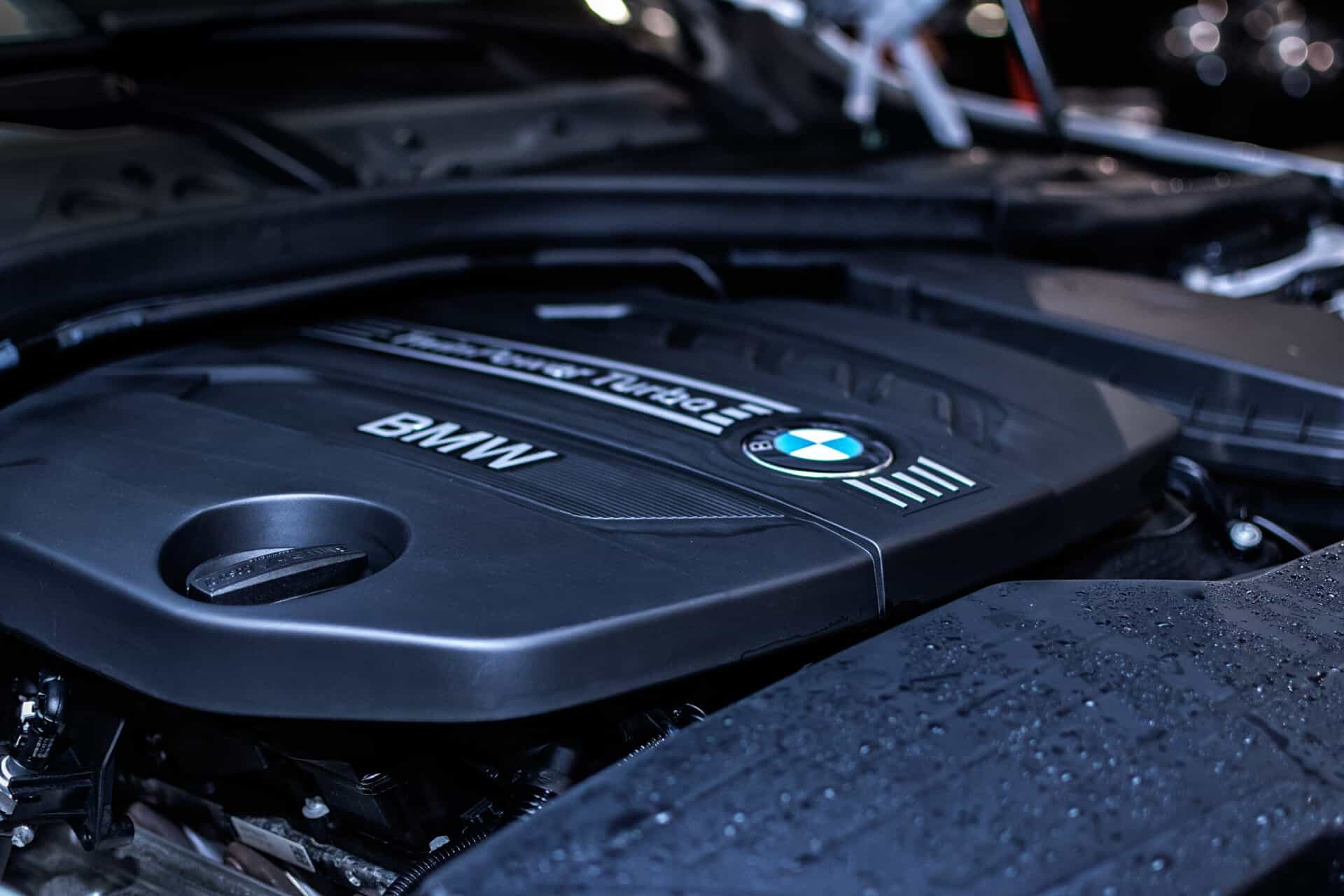
A turbo uses exhaust gases to spin a turbine, which helps push more air into the engine. When more air is available, the engine can burn fuel more efficiently and produce greater output than it would without that extra airflow support.
This is why many modern cars use turbos. They allow smaller engines to deliver the capacity and response drivers expect, without always needing a larger engine.
A working turbo can help with stronger acceleration, better engine response, improved pulling ability and more consistent performance at higher speeds or under load. That does not mean every turbo is designed to make a car feel sporty. Many everyday vehicles use turbos simply to make the engine more practical, efficient and responsive for normal driving.
Why the Right Turbo Matters
The correct turbo needs to match your car’s make, model, engine size and specification. Fitting the wrong part can lead to poor performance, warning lights, mechanical problems or further damage.
That is why it is important to find the right turbo for your car rather than guessing based on appearance or size alone. For example, if you need a Jaguar XE turbo, a BMW X3 turbo or a Nissan Qashqai turbo, it is worth checking the correct model-specific option.
Can a Faulty Turbo Reduce Horsepower?
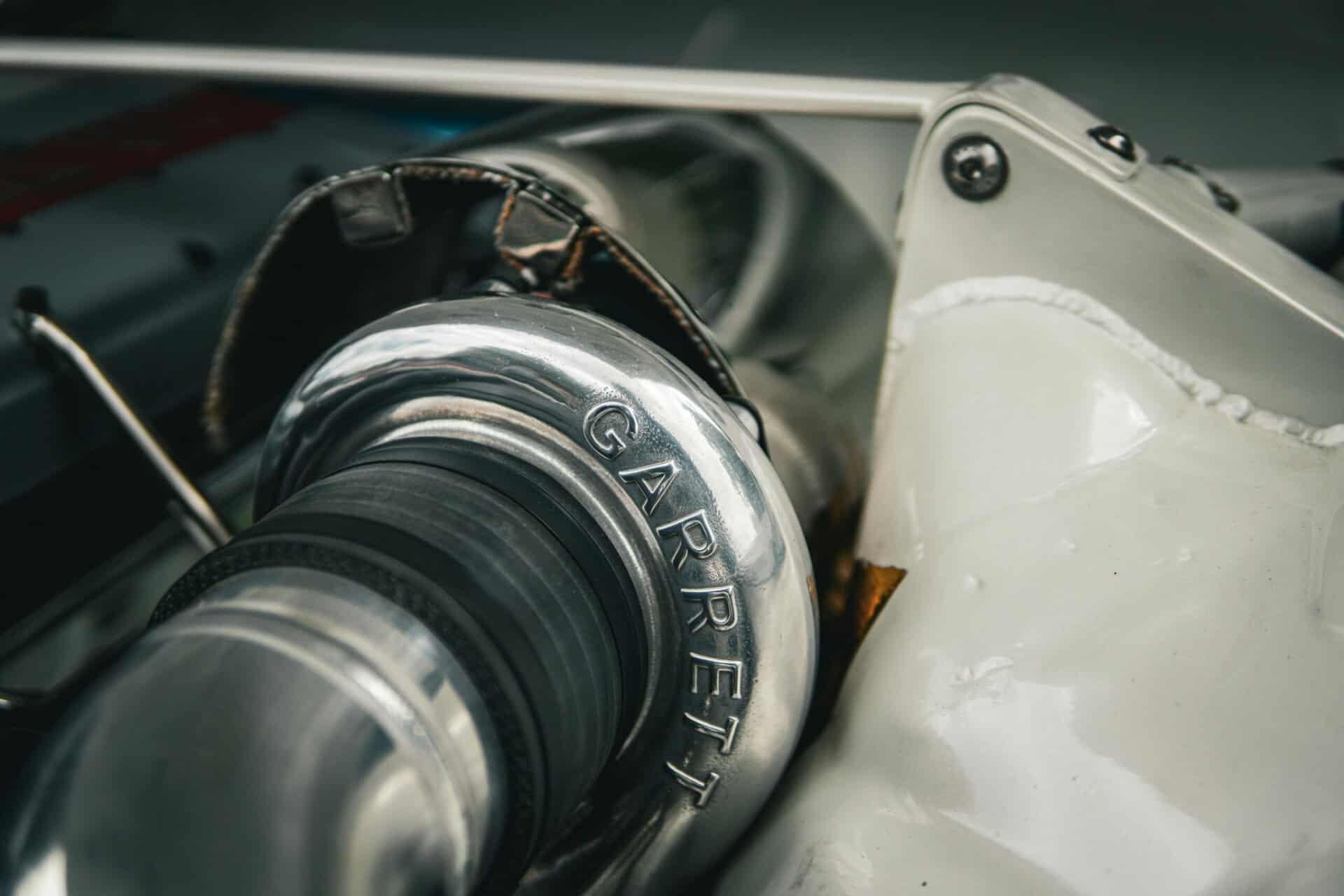
Yes, a faulty turbo can reduce horsepower. If the turbo is worn, damaged or no longer producing the right airflow, the engine may not be able to perform as it should.Common signs include:
- Slower acceleration
- Loss of engine response
- Whistling, whining or unusual noises
- Blue, grey or black smoke from the exhaust
- Increased oil use
- Engine warning lights
- Limp mode
- Reduced fuel efficiency
When this happens, the car may still drive, but it may feel noticeably weaker. You might find it struggles on hills, feels delayed when accelerating or does not respond properly when you press the accelerator.
What Happens If You Keep Driving With a Damaged Turbo?
Driving with a damaged turbo can make the problem worse. A turbo is connected to several important systems, including the exhaust, oil supply, air intake and engine management system. If it begins to fail, it can place extra stress on other parts of the car.
Possible risks include further engine strain, oil contamination, poor fuel economy, excessive exhaust smoke, damage to surrounding components, more expensive repair work later and complete turbo failure.
In some cases, a failing turbo can also cause the car to enter limp mode. This is a protective setting that limits performance to reduce the chance of serious damage. It can feel like a sudden drop in horsepower, making the car slow and less responsive.
Repair, Recondition or Replace?
The best option depends on the condition of the turbo and the type of vehicle. Some drivers need a new turbo. Others may choose a new OEM turbo, while many can benefit from reconditioned turbos or remanufactured turbos.
When we recondition or remanufacture a turbo, it is taken apart, inspected, cleaned, repaired where needed, reassembled and rigorously tested to meet OEM standards. This can be a practical option for drivers who want reliable performance without automatically choosing a brand-new part.
Choosing the Right Turbo for Your Car
If you are unsure which turbo you need, it is worth checking your vehicle details carefully. The make, model, engine size, part number and year can all matter.
You can buy a turbo now through our shop, or use the vehicle filters to narrow down the correct option. If you are not certain, you can also contact us and speak to the team about your specific car model and needs.
Final Thoughts
Turbochargers can have a clear impact on the horsepower of a car, but only when they are working correctly and properly matched to the vehicle. A healthy turbo helps the engine deliver the output it was designed for. A worn or damaged one can reduce performance, affect fuel economy and lead to further mechanical issues if ignored.