
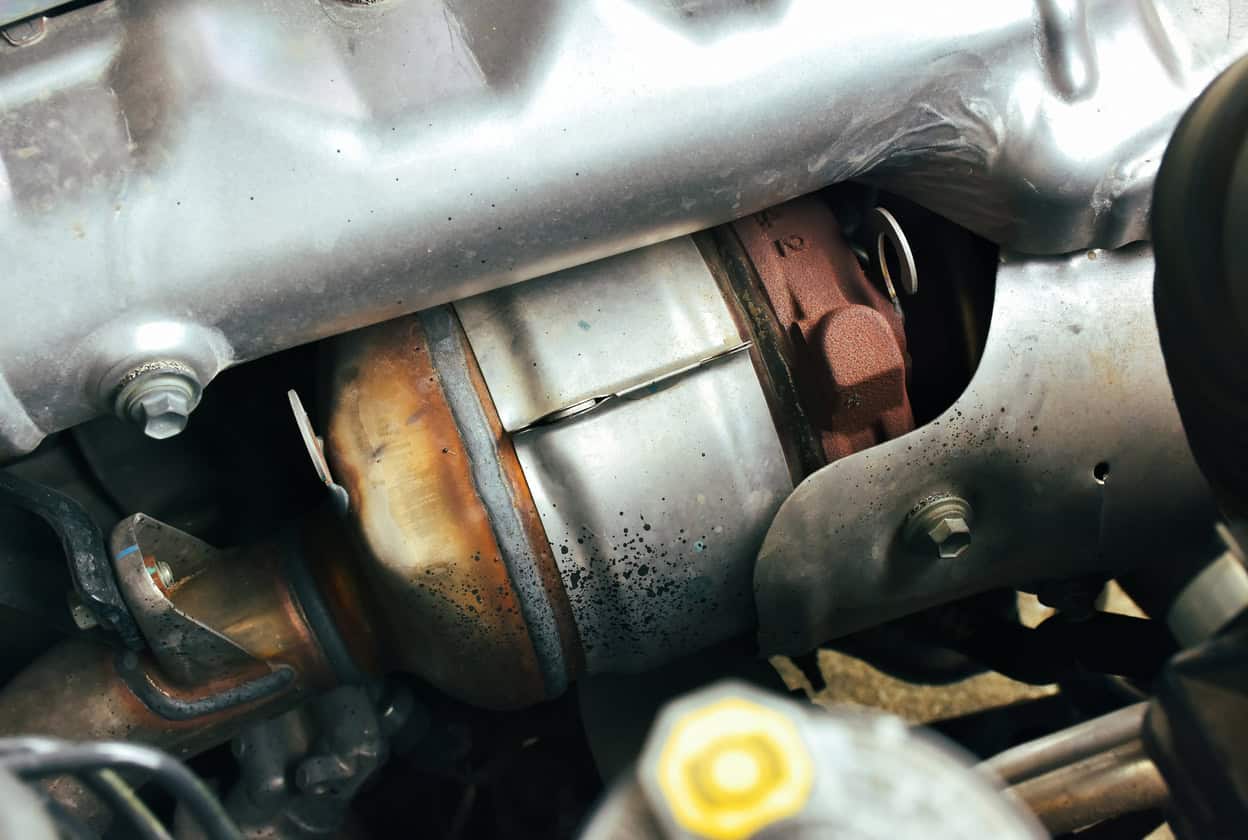
If you are replacing a turbocharger, one of the most common questions is whether a new unit needs to be primed first.

The simple answer is yes. A turbocharger depends on oil from the moment it starts working, so proper lubrication matters straight away. That is true whether the replacement is brand new or a professionally rebuilt one. For most drivers, this is not about getting lost in technical detail. It is about understanding that a replacement turbocharger needs the right conditions from the start if it is going to do its job properly.

Priming is one of those topics that often comes up when people are comparing replacement options. It sits alongside other common questions about what type of turbocharger to buy, how rebuilt units compare with new ones, and whether one option is better suited to everyday driving.


What Priming a Turbo Means

Priming a turbocharger means making sure oil reaches the unit before it is expected to work in normal conditions. A turbocharger contains internal parts that move at very high speed, and those parts rely on a steady supply of oil from the outset.

Without proper lubrication, wear can begin far too early. That is why priming matters with any replacement unit. It is not something that only applies to one type of turbocharger or one kind of vehicle. It is part of treating the replacement as a working component rather than just another boxed car part.

For the average driver, the key point is simple. A turbocharger should not begin its life dry. Oil circulation matters from the beginning.

Why It Matters With a Replacement Turbo

When a turbocharger is replaced, the new unit is going into a system that has already been in use. That means it needs the right oil flow as part of that wider setup before being used normally. If that process is rushed or overlooked, the turbocharger can be placed under strain very early on.

That matters because the whole point of replacing a worn turbocharger is to restore reliability. If the replacement is not given the best possible start, it risks shortening the life of the unit before it has even had a proper chance to settle into use.

This applies whether the vehicle is petrol or diesel. It also applies whether the car is used mainly for local driving, motorway journeys, or everyday commuting. The basic need for lubrication does not change.

New, Reconditioned, and Remanufactured Explained
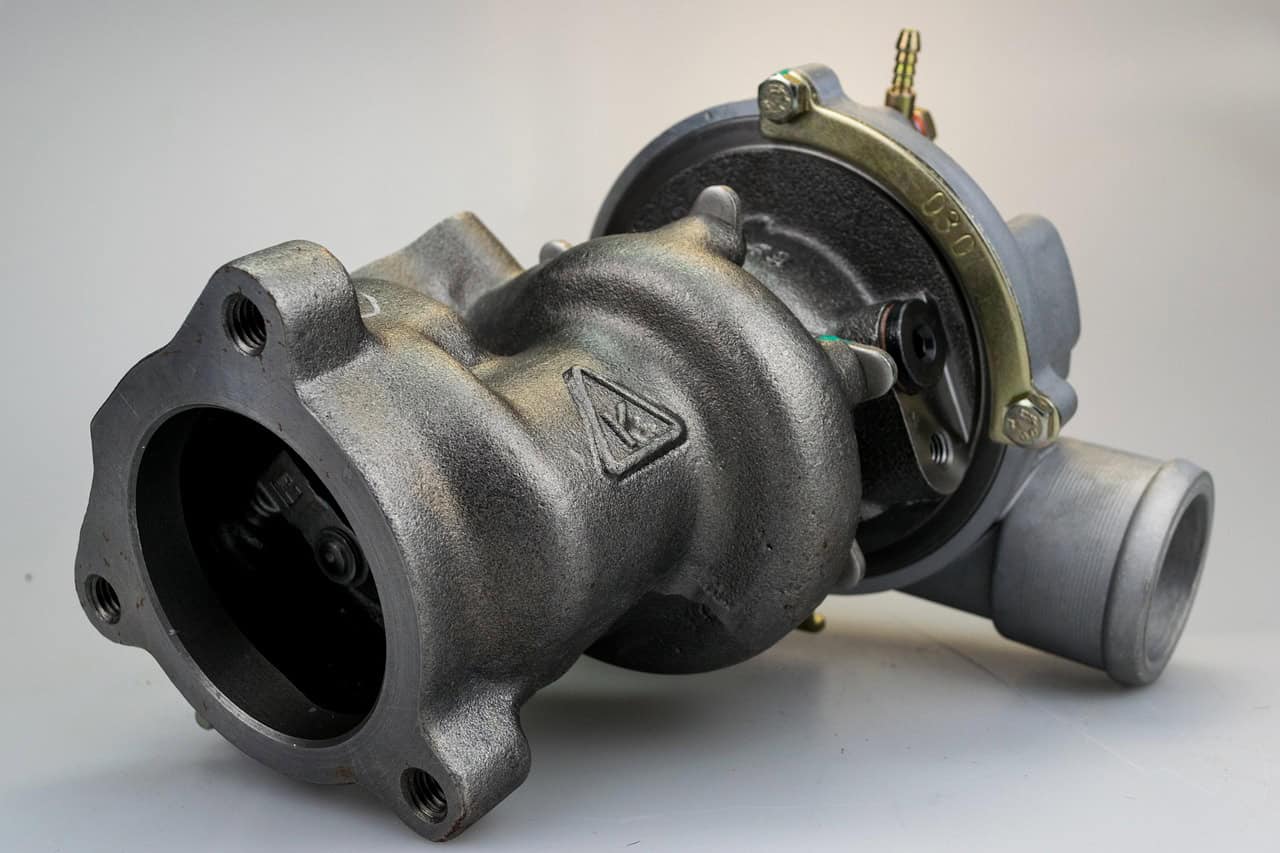


This is where drivers often start comparing terms. A new turbocharger is just that: a newly made unit. A reconditioned or remanufactured turbocharger is a used unit that has been restored and rebuilt to return it to working condition.

In practice, many people use reconditioned and remanufactured almost interchangeably. There can be technical differences depending on how a supplier describes them, but for everyday buyers the two terms are often treated as meaning much the same thing. They both refer to a turbocharger that has been rebuilt rather than sold as brand new.

What matters most is that priming still applies either way. A new turbocharger needs proper oil flow from the start, and so does a rebuilt one. The type of unit does not change that basic requirement. For drivers weighing up the different options, it is common to compare reconditioned turbochargers with brand new units before making a decision.

Does the Type of Vehicle Matter

The vehicle itself will always matter when choosing the correct turbocharger, but not in a way that changes the need for priming. Whether you drive a smaller hatchback, a family SUV, or a van, the same principle applies. The replacement unit needs to start with proper lubrication.

That is also why matching the correct part is so important. Different makes and models can use very different turbochargers, even when the vehicles seem similar on the surface. Drivers searching across categories such as Mercedes turbos, Citroen turbos, or VW turbos will often find that the exact unit needed depends on the engine and vehicle details rather than just the badge alone.

The same is true across a wider range of mainstream brands. Looking through options for Nissan turbos, Ford turbos, or checking the turbo part number can help narrow things down for everyday vehicles with an engine with a turbocharger.

What Drivers Should Take From This


If you are asking whether a new turbo needs to be primed, the sensible answer is yes. Proper oil flow matters from the start, and that does not change just because the replacement is brand new. The same applies to reconditioned and remanufactured units as well.

For most drivers, the bigger picture is straightforward. Choosing the correct replacement matters. Buying from a trusted supplier matters. Giving the turbocharger the right start matters too. New and rebuilt units both have their place, but neither should be treated as something that can simply be dropped in and ignored.

That is really the main takeaway. Priming is part of looking after the replacement properly from day one. Whether you are browsing options across brands or narrowing things down to a specific vehicle, the turbocharger still depends on lubrication from the moment it begins working.