
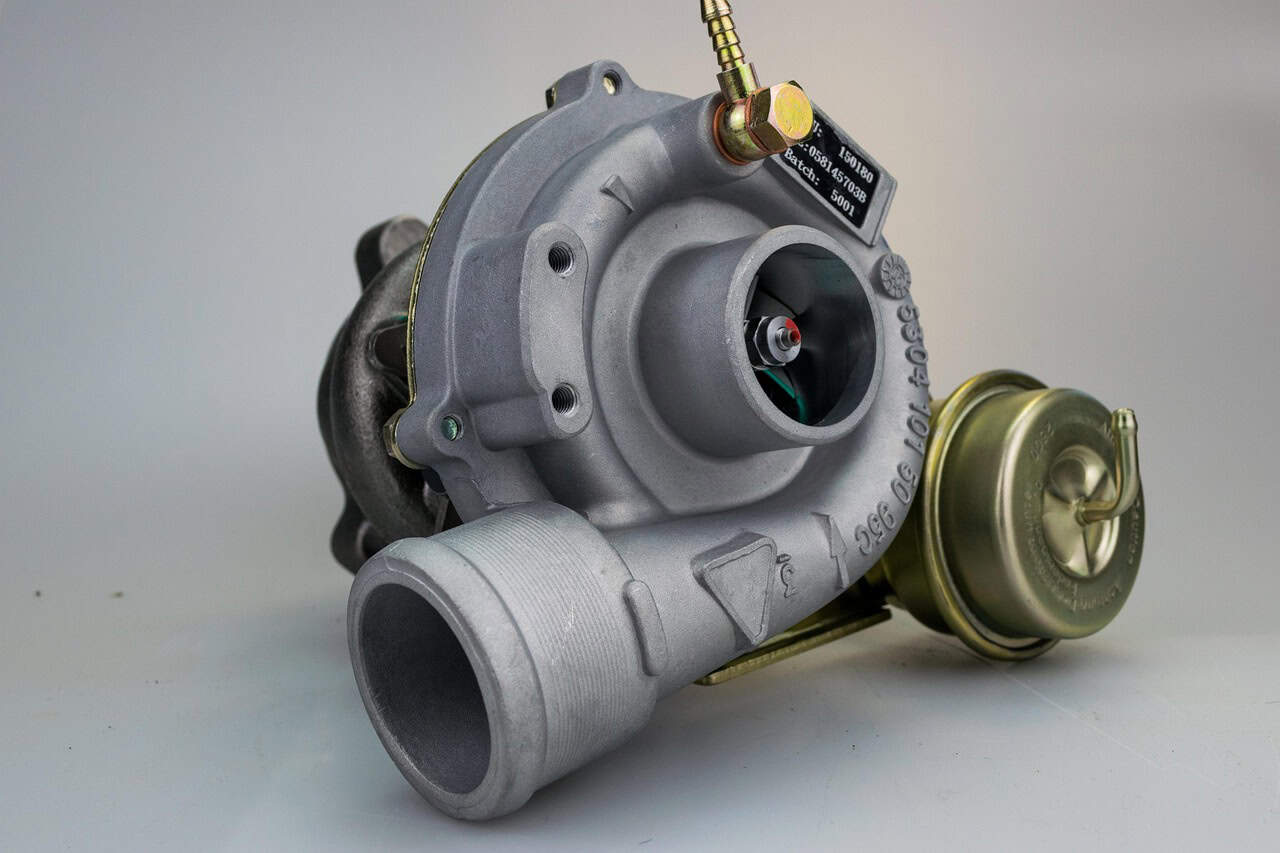
For many drivers, a turbocharger is just another part of the car that stays out of mind until something goes wrong. That is often the case whether the vehicle runs on petrol or diesel. If your car or van has an engine with a turbocharger, the basic idea is the same in both cases. The turbocharger helps the engine make better use of air and supports smooth, everyday driving across a wide range of vehicles on UK roads.

Even so, petrol and diesel turbos are not exactly alike. They are used in different types of engines, often behave a little differently in normal driving, and can vary from one vehicle to another. For anyone comparing options in 2026, it helps to understand the similarities as well as the differences.

Drivers looking at replacement turbochargers today will usually find petrol and diesel options across a huge range of makes and models, from smaller hatchbacks to larger family cars and vans.


How Petrol and Diesel Turbos Work

Both petrol and diesel engines can use a turbocharger to make better use of exhaust gases. Those gases spin the turbine inside the turbocharger, which then helps move more air into the engine. While the engineering can get quite technical, the everyday result is straightforward. The engine is able to do its job more effectively as part of normal driving.

That broad principle is the same whether you drive a petrol hatchback or a diesel van. In both cases, the turbocharger is a working part that can wear over time, especially on older vehicles or those that have covered a lot of miles. When the time comes to replace one, matching the part correctly matters far more than choosing between petrol or diesel in general terms.

This is one reason why many buyers start by checking the turbo part number rather than trying to guess from the vehicle alone.

What Makes Petrol Turbos Different

Petrol engines usually run differently from diesel engines, and the turbochargers used with them are often designed around that. In many petrol vehicles, the turbocharger works alongside an engine that operates at higher revs. That does not mean better or worse. It simply means the setup is suited to the way that type of engine behaves.

In recent years, petrol cars with an engine with a turbocharger have become much more common. Many manufacturers have used smaller petrol engines in everyday models, which has made the turbocharger a normal part of ownership for a lot of drivers.

That means drivers searching by make often come across a wide choice of units in sections such as the main shop for turbochargers or model-specific categories.

What Makes Diesel Turbos Different


A lack of boost often shows up in ways that are easy to spot once you know what to look for. The vehicle may feel sluggish on normal journeys, less willing to respond, or simply different from how it used to feel. In some cases, there may also be smoke from the exhaust or an unfamiliar whine.

Those are not signs to brush aside. A turbo problem rarely improves by itself. If anything, it usually gets worse. The longer it is ignored, the more likely it is that the issue will become more disruptive and more expensive to sort out.

That is often when drivers begin looking at replacement turbochargers after realising the current unit is no longer working as it should.

Why It Can Happen Across So Many Vehicles

This is not a problem limited to one type of vehicle. It can affect everyday petrol and diesel cars, family SUVs, and vans just as easily. Whether someone is looking at Hyundai turbos, Kia turbos, or Renault turbos, the issue usually comes back to the same thing: wear, maintenance, or a fault that has been allowed to build up over time.

That is why it helps to treat a loss of boost as a warning sign rather than a minor annoyance. Even when the car is still moving, something is not working as it should.

How to Avoid the Same Problem in Future

The best way to reduce the chance of poor boosting happening again is to keep on top of maintenance. Regular servicing, using the correct oil, and paying attention to changes in the way the vehicle feels can all make a difference over time.

It also helps to act early. If the vehicle starts smoking, sounding different, or feeling noticeably flatter than normal, it is better to deal with it then rather than carry on driving and hope it clears up. In many cases, early action gives you more options and a more straightforward route forward.

For some drivers, that may mean comparing reconditioned turbochargers with other replacement options once the issue becomes clear.

Why the Correct Match Matters


Even when the symptoms seem obvious, the replacement still needs to match the exact vehicle. Different versions of the same model can use different units, so it is never a good idea to guess based on the make alone.

That is why many drivers start broadly with options such as Skoda turbos or Toyota turbos before narrowing things down properly. Getting the correct match is one of the best ways to solve the issue properly and avoid more trouble later.

Do Not Ignore a Loss of Boost

If your turbo is not boosting, there is usually a reason, and it is worth taking seriously. The vehicle may still be usable for a while, but that does not mean the issue is harmless. In many cases, waiting simply gives the problem more time to get worse.

The sensible approach is simple. Pay attention to the signs, keep up with servicing, and deal with problems early. That gives you a better chance of sorting the issue before it turns into something more disruptive, and it makes finding the right replacement much easier when the time comes.