


Yes, it can. If a turbocharger develops a fault and the problem is left too long, it can lead to wider engine trouble rather than staying as a turbo issue on its own. That is why it is never a good idea to ignore the warning signs or hope the issue will sort itself out by itself.
A turbocharger works closely with the engine, so when something goes wrong, the effects can spread. For the average driver, that often starts with small symptoms such as smoke, unusual noises, or a noticeable change in how the vehicle feels on the road. Left too long, those early signs can turn into a much bigger and more expensive problem.

How a Faulty Turbo Can Affect the Engine
A turbocharger is not a separate part that works on its own. It relies on the wider engine system, especially oil flow, to keep operating properly. If the turbo starts to fail, the engine can begin to suffer as well.
This is one reason why drivers often move quickly from spotting the warning signs to looking at replacement turbochargers. Once a turbo is no longer working as it should, continuing to drive can increase the chance of damage building elsewhere.
For most people, the real issue is not just the failed turbo itself. It is the knock-on effect that can follow if the vehicle keeps being used without dealing with the cause.
Common Damage Caused by Turbo Failure
One of the main risks is oil-related damage. A turbocharger depends on clean oil to do its job properly. If lubrication is affected, wear can build more quickly, and that can have a wider impact on the engine.
There is also the risk of contamination if the turbo has failed badly enough. Once internal parts have worn or broken down, driving on with the issue can make the situation far worse than it was at the start.
For the average driver, the key point is simple. A turbo problem can become an engine problem if it is ignored for too long. That is why even early signs should be taken seriously.
What Usually Causes the Problem

This is where knowing the right details can help. Checking the turbo part number is often one of the easiest ways to narrow down the correct replacement once the problem becomes clear.
Why Leaving It Too Long Makes Things Worse
One of the biggest mistakes drivers make is carrying on as normal because the vehicle still seems usable. In many cases, a failing turbo will not cause an instant breakdown. Instead, the problem builds. That can make it feel easier to delay doing anything about it.
The trouble is that delay often reduces your options. What might have been a more straightforward replacement can turn into a more involved problem if the vehicle keeps being driven in poor condition. That is why many drivers start comparing options such as reconditioned turbochargers once they realise the turbo is no longer in good shape.
A replacement is usually far more practical than risking wider damage by hoping the issue can wait.
The Right Turbo Still Depends on the Vehicle
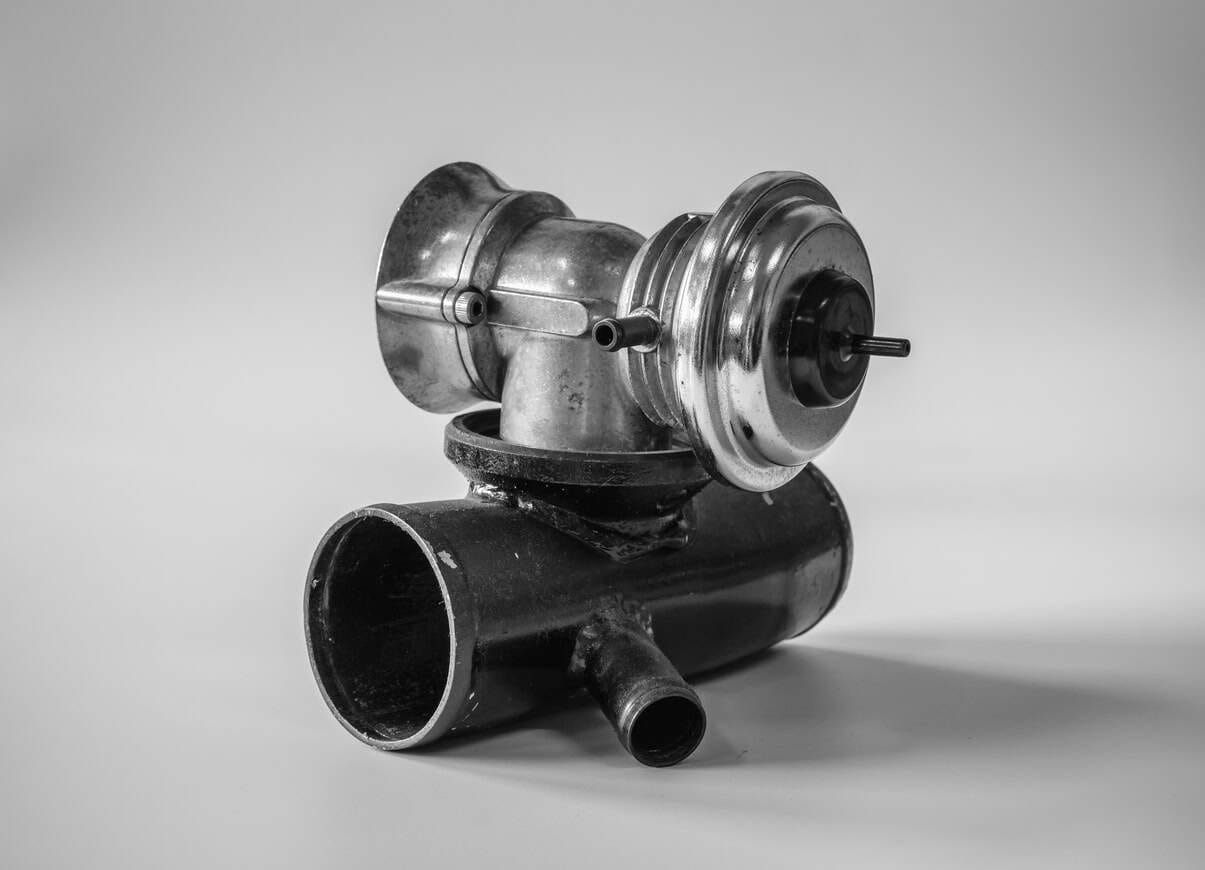
Even when the symptoms are obvious, it is still important to match the correct turbocharger to the exact vehicle. Different makes and models can use very different units, even when they seem similar on the surface.
That is why many drivers begin with make-based searches such as Ford turbos,Audi turbos, or Mercedes turbos before narrowing things down further. Getting the correct match is one of the best ways to deal with the issue properly and avoid more trouble later.
How to Avoid Engine Damage in Future
The best way to avoid engine damage from a turbo problem is to act early. If you notice smoke, unusual noises, or a clear change in the way the vehicle runs, it is worth taking seriously straight away. Waiting rarely improves the outcome.
Good maintenance habits can help too. Regular servicing, clean oil, and paying attention to changes in the vehicle can all reduce the chances of a turbo issue becoming something bigger. While no turbocharger lasts forever, a lot of trouble can be avoided by dealing with problems before they have time to spread.
Do Not Ignore the Warning Signs
A faulty turbo can damage your engine if the issue is left too long. That is the main takeaway. What begins as a turbocharger problem can become a much bigger headache if it is ignored, especially when the vehicle continues to be driven as normal.
For most drivers, the sensible move is to act early, identify the right replacement, and deal with the issue before it leads to wider damage. That is usually the simplest way to protect both the vehicle and your wallet.