



What Is an OEM Turbo?
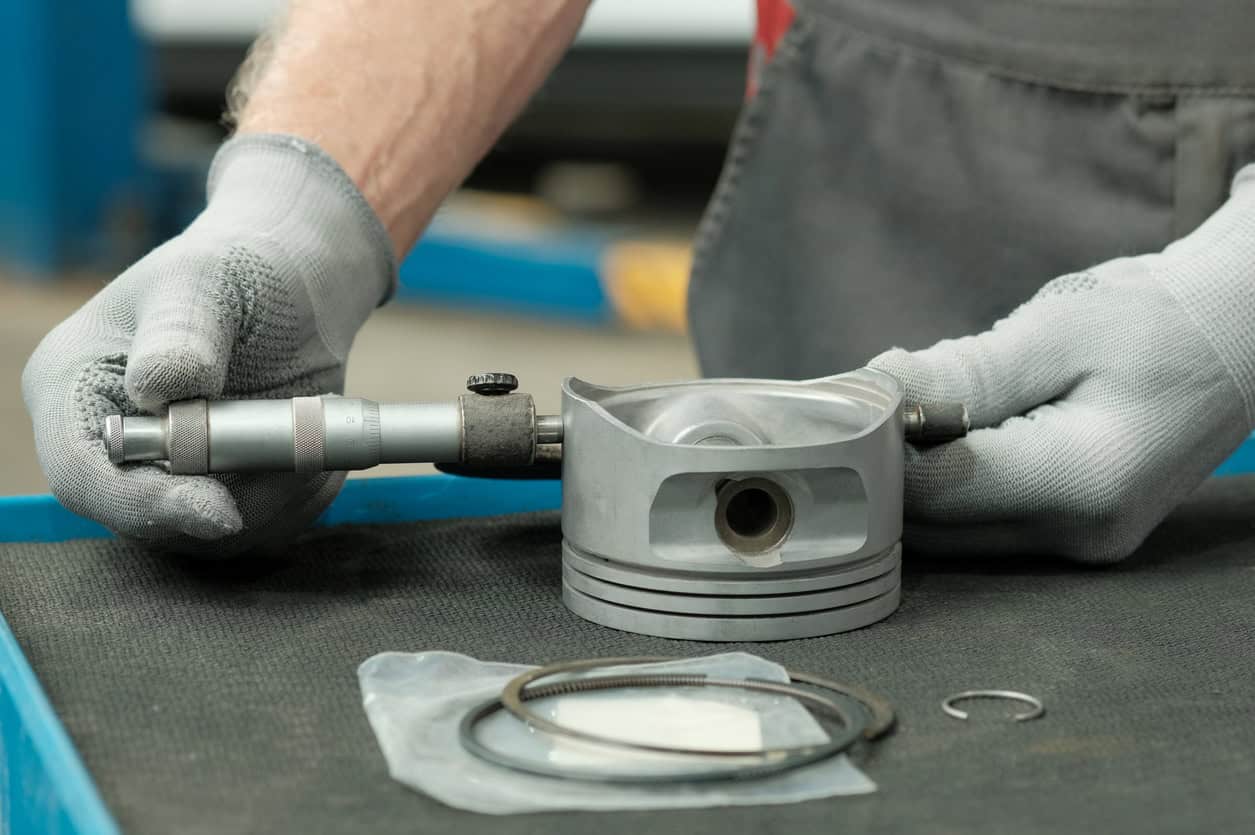
OEM stands for original equipment manufacturer. A new OEM turbo is built to the specification of the part originally fitted to the car by the manufacturer.
For many drivers, this is a straightforward option because it is designed to match the vehicle’s original requirements. It should fit correctly, work with the engine setup and meet the expected standard for that model.
The main drawback is cost. OEM parts are often more expensive than other replacement options, which is why many motorists also consider reconditioned or remanufactured alternatives.
What Is an Aftermarket Turbo?
An aftermarket turbo is made by a company other than the original equipment manufacturer. Some are designed as standard replacement parts, while others are designed for different uses.
For everyday motorists, it is important to avoid choosing a turbo simply because it appears to fit or costs less. The wrong unit can cause poor running, warning lights, smoke, reduced response or further mechanical problems.
New, Reconditioned and Remanufactured Turbos Explained
A new turbo is a completely unused replacement unit. A new OEM turbo is also unused, but built to the original manufacturer’s specification.
A reconditioned turbo is an existing unit that has been dismantled, inspected, cleaned, repaired where needed, reassembled and tested before being supplied again. A remanufactured turbo usually goes through a more detailed rebuild process, often with more replacement components and more extensive checks.
All of these options can be suitable when the part is correctly matched and properly prepared. The right answer is not always the most expensive one. It is the one that suits the vehicle and gives you confidence in the repair.
Why Reconditioned and Remanufactured Turbos Can Make Sense
Many drivers assume they need a brand-new turbo, but that is not always the case. If the car is used for normal driving, a well-prepared reconditioned or remanufactured turbo can often be a sensible choice.
This route can be especially useful when the car is older but still worth repairing, the OEM part is expensive, or you want a dependable replacement at a lower cost.
When we recondition or remanufacture a turbo, it is taken apart, inspected, cleaned, repaired where needed, reassembled and rigorously tested to meet OEM standards. That means you are not simply buying a used part and hoping for the best.
Why the Correct Match Matters
Not every turbo will suit every vehicle. Even small differences in fitment, part number or engine specification can cause problems.
Choosing the wrong turbo can lead to poor performance, oil leaks, warning lights, smoke or early failure. This is why it is important to find the right turbo for your car before ordering.
Drivers can also browse model-specific options, such as a Jaguar XE turbo, BMW 320d turbo or VW Golf turbo, depending on the car they drive.
Choosing the Right Option

There is no single best turbo for every car. A new OEM turbo may be right if you want the closest original-spec option. A reconditioned or remanufactured turbo can be a better-value choice when you want reliable everyday performance without paying more than necessary.
If you are unsure whether your symptoms point to the turbo, our guide to the signs your turbo needs maintenance can help you understand what to look for. If replacement is needed, our guide on replacing a turbo explains what is usually involved.
If you already know what you need, you can buy a turbo now through the shop. If you are unsure, contact us first so we can help you choose the correct replacement for your car.
Final Thoughts
OEM and aftermarket turbos both have their place, but the best choice depends on quality, fitment and how the unit has been prepared. For many motorists, reconditioned and remanufactured turbos offer a strong balance of reliability and value.