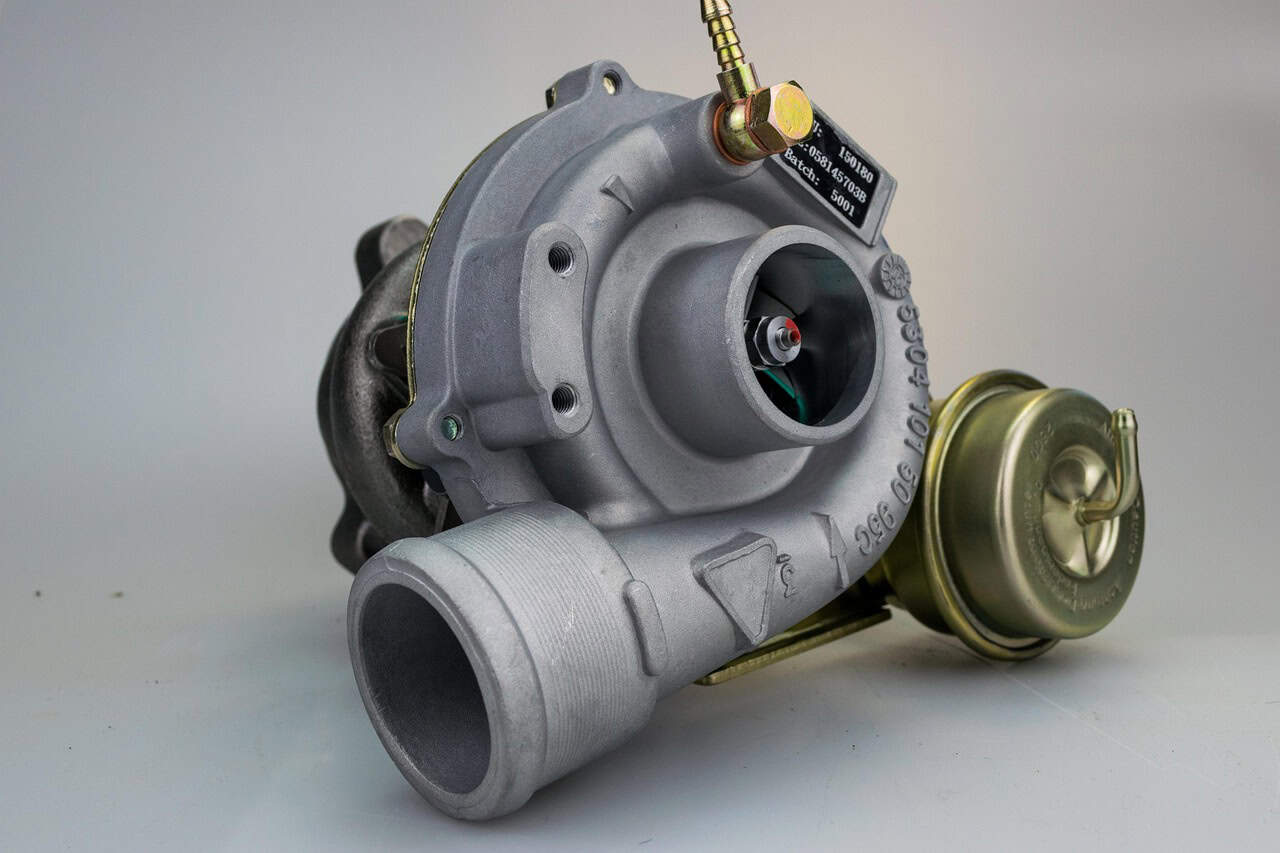
Turbo problems rarely appear without warning. In many cases, the signs develop gradually and can be mistaken for general engine wear or changes in driving conditions. Knowing what to look out for makes it easier to recognise when a turbo may no longer be operating as it should, whether you drive a car or a van.
How Can You Tell If a Turbo Is Bad for Your Car?
In a car, turbo issues often show up during everyday driving. Changes in response, efficiency, or noise may be subtle at first, particularly on short journeys or during stop-start traffic. Because many modern cars rely on turbos as part of their normal engine operation, even small changes can affect how the vehicle feels behind the wheel.
Car drivers may notice that the car does not accelerate as smoothly as before, or that fuel economy begins to worsen without an obvious reason. These early changes are often the first indication that the turbo system needs attention.
How Can You Tell If a Turbo Is Bad for Your Van?
In vans, turbo problems can become more noticeable due to the way the vehicle is used. Carrying tools, equipment, or cargo places greater demand on the engine, which means turbo-related issues may be more apparent under load.
Vans are also more likely to be driven on longer journeys or at sustained speeds, which can highlight performance inconsistencies, unusual noises, or warning lights that may not appear during short trips. As with cars, these signs often develop gradually rather than all at once.
Common Warning Signs a Turbo May Be Failing
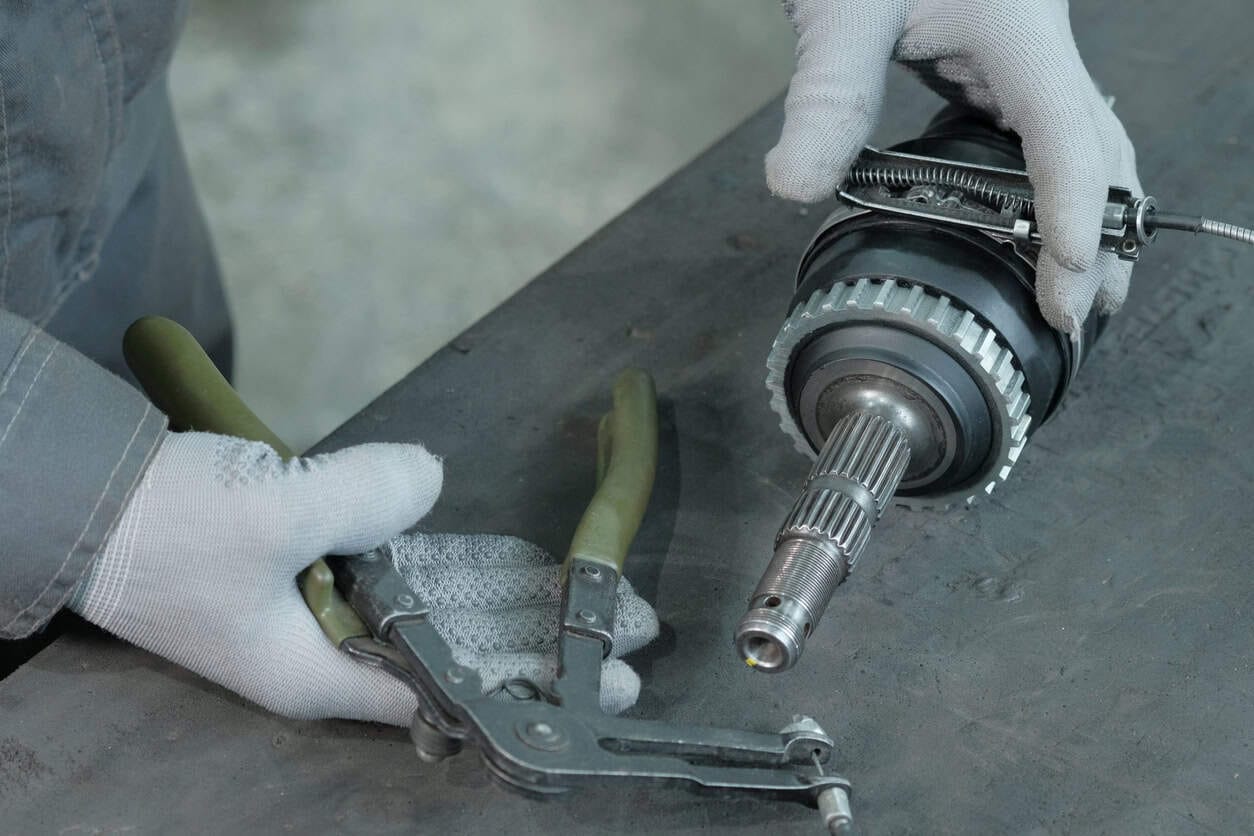
Recognising these warning signs early can help prevent further strain on the engine and related components.
- The vehicle feels noticeably less responsive than usual, particularly when accelerating or pulling away from a standstill.
- Fuel consumption increases over time even though driving habits have not changed.
- A whistling, whining, or unfamiliar noise is heard during acceleration or when lifting off the accelerator.
- Smoke becomes visible from the exhaust, which may appear blue, grey, or black depending on the underlying issue.
- Oil levels drop more quickly than expected between services, indicating increased oil consumption.
- Oil residue or leaks are visible around pipework connected to the turbo.
- The engine hesitates or struggles to respond smoothly when the accelerator is pressed.
- Dashboard warning lights related to engine management or emissions appear intermittently or remain illuminated.
- The vehicle enters a reduced performance or limp mode to protect the engine from further damage.
- Performance drops noticeably when the vehicle is under load, such as carrying passengers, tools, or cargo.
- A burning oil smell may be noticeable after driving, particularly following longer journeys.
- Power delivery feels inconsistent, with periods of normal performance followed by sluggish behaviour.
These symptoms may appear individually or in combination, and they often worsen gradually rather than suddenly.
Why These Symptoms Should Not Be Ignored
A turbo does not operate in isolation. When it is not working correctly, additional strain can be placed on other engine components, including sensors, seals, and exhaust parts. What begins as a minor issue can develop into a wider reliability problem if left unresolved.
Of course, not every turbo issue means the unit has completely failed. In some cases, addressing the underlying cause can restore normal operation. Where replacement is required, a reconditioned turbo can offer a reliable option for everyday vehicles.
At Essex Turbos, reconditioned units are tested to meet OEM standards. Supplied with an unlimited mileage warranty lasting one to two years, depending on the turbo type you choose, they are designed to support dependable long-term use when installed correctly.
If you have noticed one or more of these symptoms and are unsure what they mean for your vehicle, it can be helpful to discuss them early with your mechanic. Clear guidance can help prevent further damage and unnecessary downtime. Whether you are a trade customer or an everyday motorist, contact us to talk through your turbocharger options.
FAQs
How can you tell if a turbo is bad or another engine issue is present?
Turbo problems often affect responsiveness, fuel efficiency, and noise, but similar symptoms can come from other components. Proper diagnosis is needed to identify the exact cause.
Is it safe to keep driving with a faulty turbo?
Driving with a failing turbo can increase the risk of further damage. If symptoms persist, then it would be the best course of action to have the issue assessed professionally as soon as possible, so it can be replaced, if necessary.