Modern turbo systems rely on precise control rather than raw force. While the turbo itself compresses air, it is the turbo actuator that helps determine how and when that pressure is delivered. Because it works in the background, many drivers are unfamiliar with its role until a problem develops.
Understanding what a turbo actuator does helps explain why certain faults can feel like turbo failure, even when the turbo itself is still mechanically sound. Read on for the Essex Turbos guide covering all aspects of the functions of turbo actuators or feel free to contact us for advice on replacing your current turbocharger.
What Does a Turbo Actuator Do in Normal Driving?
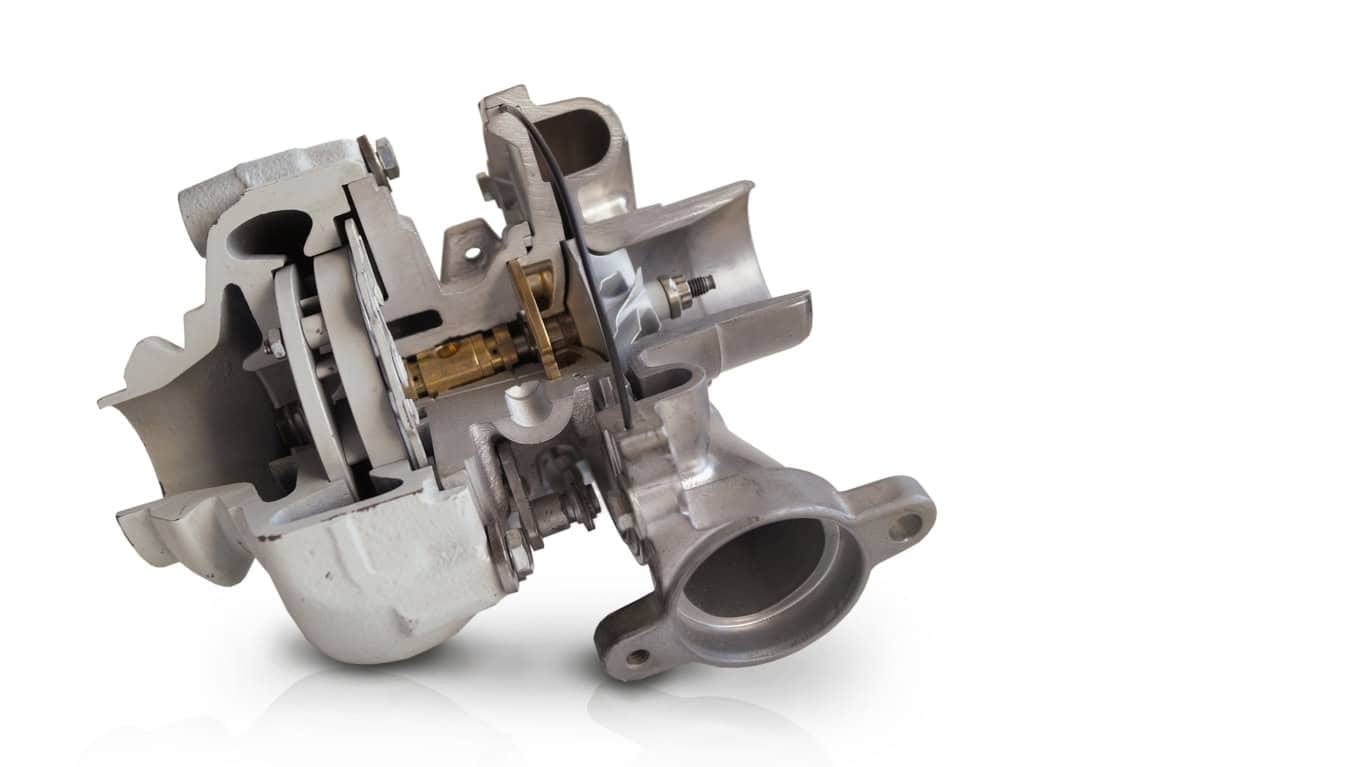
A turbo actuator controls boost pressure by regulating how exhaust gases interact with the turbo. Depending on the system, it does this by adjusting a wastegate or by controlling variable vanes inside the turbo housing.
During everyday driving, the actuator responds automatically to engine demand. It helps ensure that the turbo delivers the right amount of boost at the right time, supporting smooth acceleration, steady cruising, and efficient operation without placing unnecessary strain on the engine.
How a Turbo Actuator Controls Boost Pressure
The actuator works in constant coordination with the engine management system. By adjusting the position of internal components, it controls how fast the turbo spins and how much pressure is generated.
The turbo actuator works by:
- Responding to signals from the engine management system based on load and speed.
- Adjusting the position of the wastegate or variable vanes to control exhaust flow.
- Regulating how much exhaust gas drives the turbo at any given moment.
- Maintaining stable boost pressure across different driving conditions.
This process happens continuously and is designed to keep the turbo operating within safe and efficient limits.
What Happens When a Turbo Actuator Develops a Fault?
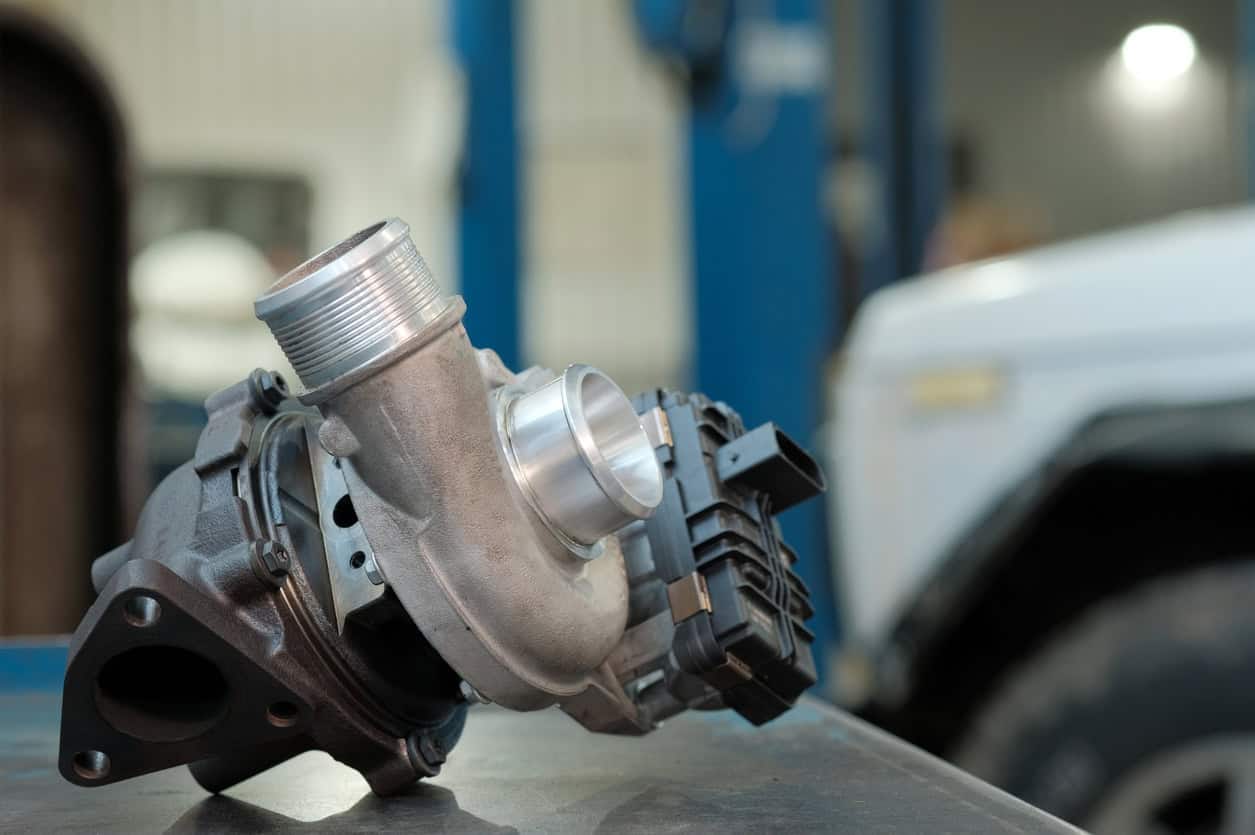
When a turbo actuator is not working correctly, boost pressure may no longer be regulated as intended. This does not always mean the turbo itself has failed. In many cases, the turbo is still capable of producing pressure, but the actuator is unable to control it accurately.
Incorrect boost levels can lead to inconsistent performance, reduced efficiency, and warning lights, all of which closely resemble the symptoms of a failing turbo.
Common signs of a turbo actuator issue
- The vehicle may feel sluggish at certain speeds while performing normally at others.
- Acceleration can become inconsistent, particularly when the engine is under load.
- Fuel efficiency may worsen without any clear change in driving habits.
- The engine may enter limp mode to protect itself from incorrect boost pressure.
- Dashboard warning lights related to engine management may appear.
- Power delivery can feel unpredictable rather than consistently reduced.
Because these symptoms overlap with turbo failure, actuator issues can sometimes be misdiagnosed.
Why Actuator Faults Are Often Misdiagnosed
From a driver’s perspective, both turbo and actuator faults affect how the car responds. Loss of responsiveness, warning lights, and changes in fuel economy are common to both issues. Without proper diagnosis, it can be difficult to distinguish between a mechanical turbo problem and a control-related fault.
This is why replacing the turbo without confirming actuator operation can sometimes fail to resolve the issue.
Replacement Considerations
In some cases, an actuator fault can be addressed without replacing the entire turbo. However, if wear or damage has affected multiple components, then a replacement may be the most reliable long-term option. In many cases, replacing your current turbo may be quicker and easier than rectifying an actuator fault, of course.
When replacement is required, you won’t necessarily need a new turbo, either. This is because our reconditioned turbos also provide a practical solution for mechanics and car owners alike. These units are completely stripped, reassembled and then tested to meet exacting quality standards.
FAQs
What does a turbo actuator do if the turbo itself is working?
It controls how boost pressure is delivered. Even if the turbo is mechanically sound, a faulty actuator can prevent it from operating correctly.
Can a faulty actuator feel like turbo failure?
Yes. Incorrect boost control can cause loss of responsiveness, warning lights, and inconsistent performance similar to turbo failure.
Is it safe to drive with a faulty turbo actuator?
Driving with an actuator fault can lead to reduced performance and increased strain on the engine. If symptoms persist, the issue should be assessed as soon as possible.
What does a turbo actuator do if it isn’t working?
If a turbo actuator is not working correctly, it can no longer regulate boost pressure accurately. This may cause inconsistent performance, even if the turbo itself is still mechanically sound.