


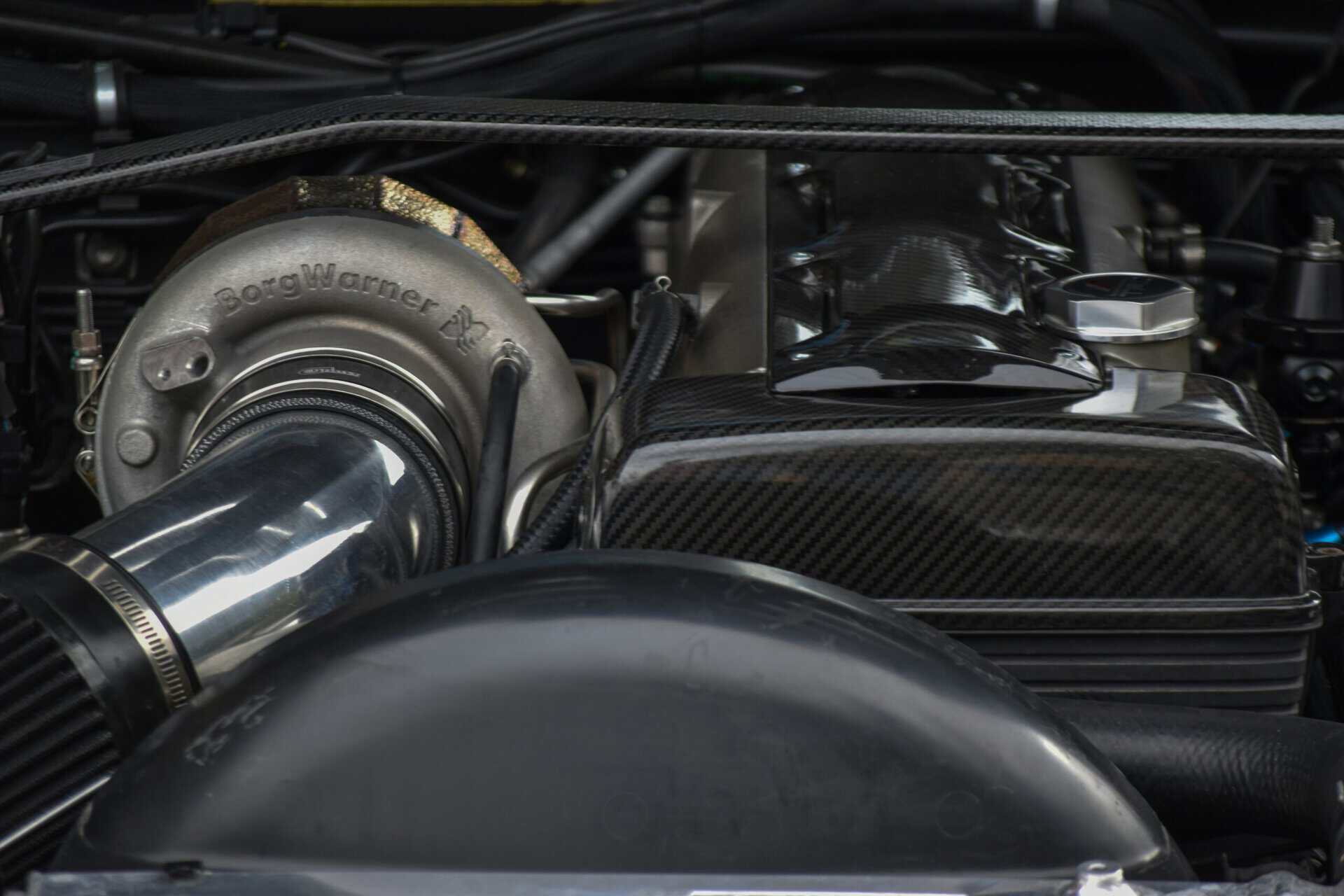
Why Can Oil Appear in an Intercooler?
A turbo needs oil for lubrication and cooling. Under normal conditions, that oil should stay within the correct channels. If seals become worn, pressure builds up or the turbo begins to fail, oil can pass into the intake side and collect in the intercooler or pipework.
Oil can also appear because of blocked breathers, poor servicing, crankcase pressure, damaged hoses or a previous turbo failure where the system was not cleaned properly.
Signs There May Be Oil in Your Intercooler
Some drivers only discover oil during a repair or inspection. Others notice symptoms while driving. Common signs include smoke from the exhaust, reduced engine response, oily residue around intercooler pipes, increased oil use, warning lights or a car that feels weaker than usual.
Oil entering the intake system can also be linked to exhaust smoke, especially if you are seeing blue smoke from your turbo.
You may also notice unusual noises from the turbo area. A turbo whistle when accelerating can sometimes be minor, but if the sound becomes louder or sharper, it should be checked.
How Can You Check for Oil?
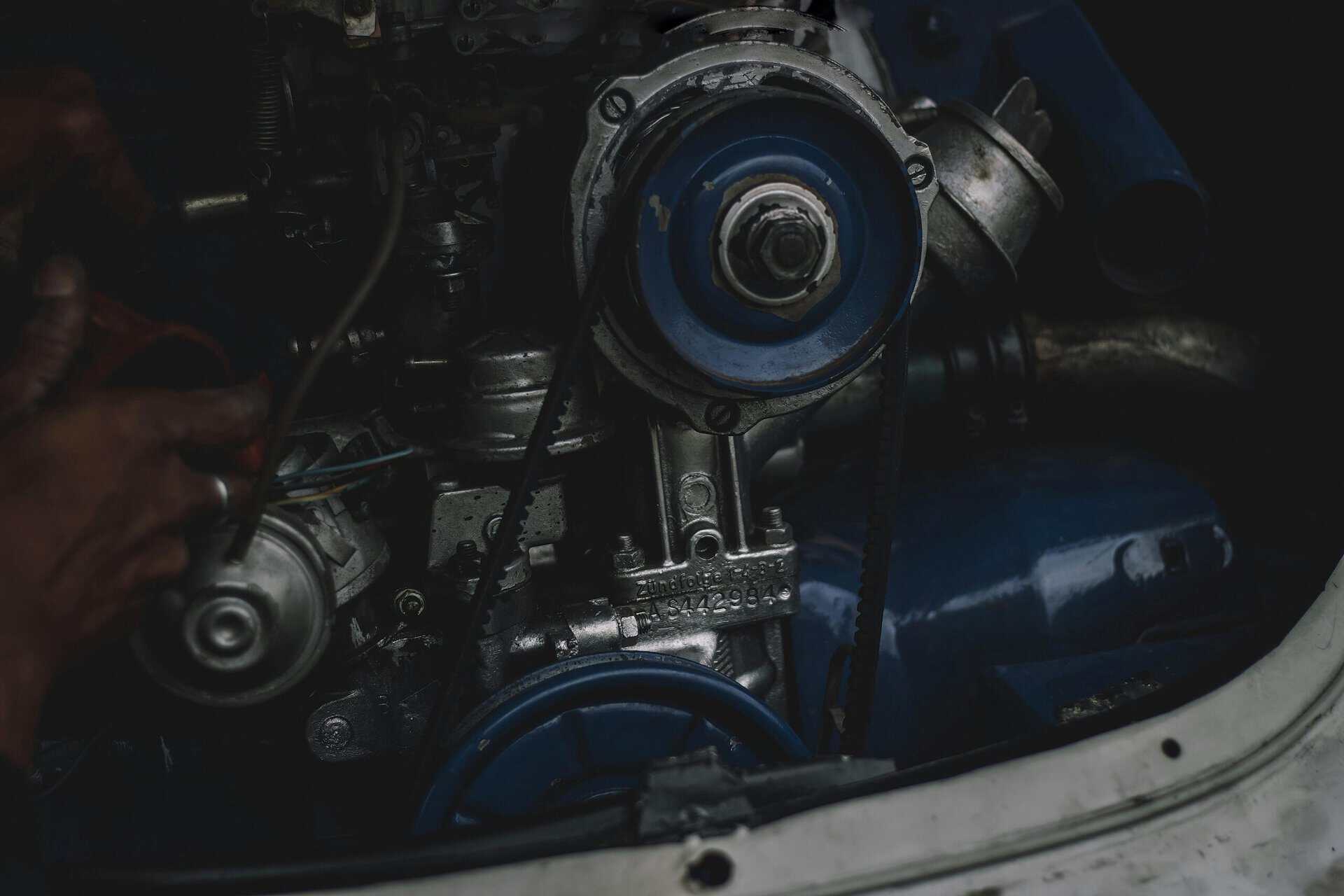
A mechanic will usually inspect the intercooler pipes, hoses and intake system for oil residue. They may remove pipework to see whether there is only a light film of oil or a heavier build-up inside.
A small trace of oil mist may not always mean the turbo has failed. However, pools of oil, dripping oil, heavy smoke or a repeated drop in oil level are more serious signs.
If you are unsure whether the issue is turbo-related, it may also help to test if your turbo is working before deciding what to replace.
What Happens if You Keep Driving?
Driving with oil collecting in the intercooler can make the problem worse. Too much oil in the intake system may affect airflow, increase smoke and place extra strain on the engine.
Possible risks include poor fuel economy, reduced performance, oil contamination, damaged hoses, heavier exhaust smoke, complete turbo failure and higher repair costs later.
If the turbo is already worn or leaking oil internally, cleaning the intercooler alone may not solve the problem. The oil can return once the car is driven again.
Repair or Replace the Turbo?
The best option depends on the cause and condition of the turbo. In some cases, a repair may be possible. In others, it may be cheaper and more reliable to choose a replacement unit, especially if the turbo is badly worn or has failed.
If the unit is badly worn or leaking internally, it is worth understanding when it is worth replacing your turbo rather than continuing with short-term fixes.
For many drivers, reconditioned turbos or remanufactured turbos are a practical option. When we recondition or remanufacture a turbo, it is dismantled, inspected, cleaned, repaired where needed, reassembled and tested to meet OEM standards.
Choosing the Right Replacement
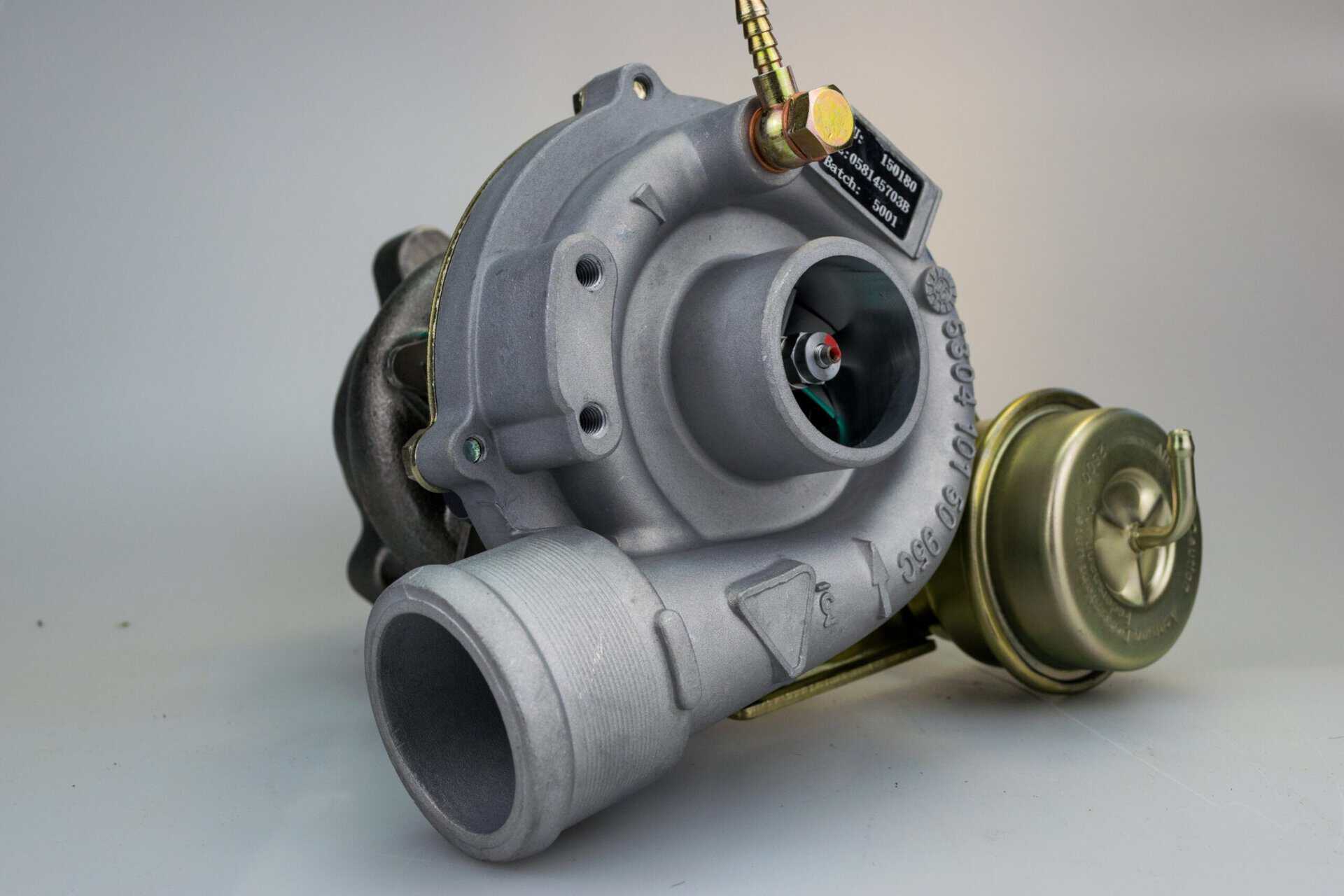
The correct turbo depends on your car’s make, model, engine size, year and part number. If you choose the wrong unit, the car may run poorly or develop further issues.
You can find the right turbo for your car using the make and model sections. Jaguar drivers may want to check options such as a Jaguar XE turbo, while Land Rover drivers can browse Land Rover turbos and Range Rover drivers can check Range Rover turbos before ordering.
If you already know what you need, you can buy a turbo now through the shop. If you are unsure, it is better to contact us first so we can help you choose the correct replacement.
Final Thoughts
Oil in a turbo intercooler does not always mean immediate failure, but it should not be ignored. A light mist may be normal, while heavier oil build-up, smoke, poor response or repeated oil loss can point to a worn turbo or another issue.
Checking the cause early can help prevent further damage. If the turbo is worn, leaking or unreliable, a new, new OEM, reconditioned or remanufactured replacement may be the safer long-term choice.