


Why Oil Cleanliness Matters After Turbo Failure
A turbo depends on clean oil for lubrication and cooling. If the oil supply is dirty, restricted or contaminated, the replacement turbo may wear quickly or fail again.
After turbo failure, oil contamination can come from metal debris, burnt oil deposits, blocked oil feeds, old sludge or particles left in the pipework. This is why many mechanics check the oil feed pipes, oil return pipes, sump, filters and surrounding components before fitting a replacement turbo.
If the old turbo failed because of poor oil flow, fitting another unit without dealing with the cause can put the replacement at risk straight away. Smoke, noise or poor response may point towards the turbo, but the surrounding oil supply and intake parts still need to be checked.
Is an Engine Flush Always Needed?
An engine flush is not always needed after turbo failure. In some cases, a full oil and filter change may be enough. In others, more detailed cleaning may be required, especially if there is sludge, contamination or poor oil condition.
The best option depends on how the turbo failed, whether metal debris is present, whether pipes are blocked and whether the intercooler or intake system contains oil. If oil has collected inside the intercooler, cleaning the visible oil may not be enough if the turbo itself is worn or leaking internally.
A mechanic may also recommend replacing the oil feed pipe, oil return pipe or filters if there is any doubt about contamination or restriction. This can help protect the replacement turbo and reduce the risk of repeat failure. You can also read our guide on when it is worth replacing your turbo if you are unsure whether repair or replacement is the better route.
What Happens If the Oil System Is Not Cleaned?

If contaminated oil or debris is left in the system, the replacement turbo may be damaged very quickly. This can lead to another failure, even if the new unit is good quality and correctly fitted.
Possible risks include poor lubrication, blocked oil passages, overheating, noisy operation, smoke, reduced performance and complete turbo failure. In serious cases, contamination can also affect other engine components.
This is why the job should be treated as more than just removing one turbo and bolting on another. The cleaner the oil system and related pipework, the better the chance that the replacement unit will work as intended.
When Replacement Is the Better Option
If a turbo has failed because of internal wear, damaged seals or oil starvation, cleaning alone will not make it reliable again. In these cases, it is usually better to fit a suitable replacement.
For many motorists, reconditioned turbos or remanufactured turbos are a practical choice. When we recondition or remanufacture a turbo, it is dismantled, inspected, cleaned, repaired where needed, reassembled and rigorously tested to meet OEM standards.
If replacement is needed, our guide on replacing a turbo explains what is usually involved.
Choosing the Correct Turbo for Your Car
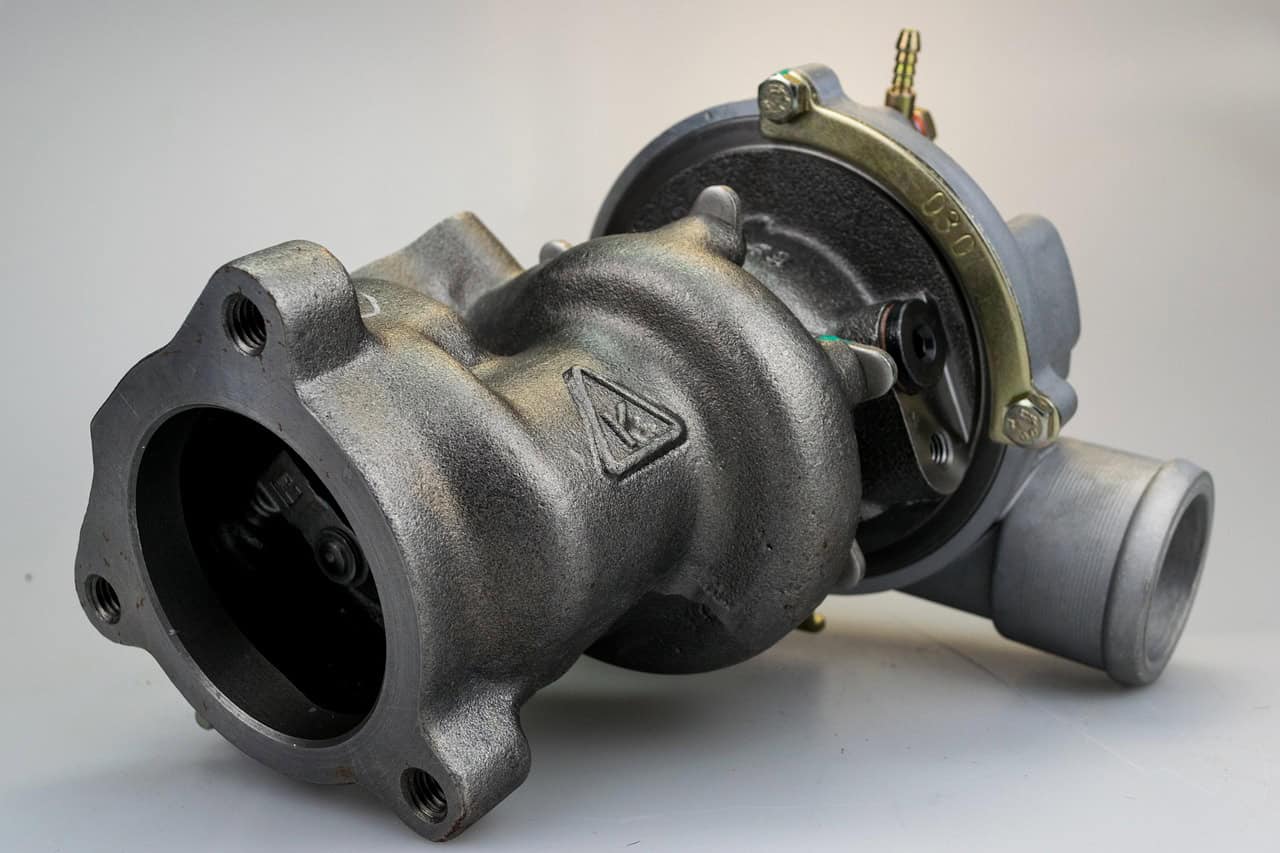
The correct turbo depends on your car’s make, model, engine size, year and part number. Choosing the wrong turbo can lead to poor running, warning lights or further problems.
You can find the right turbo for your car using the make and model sections. Jaguar drivers may want to check options such as a Jaguar XE turbo, while Land Rover drivers can browse Land Rover turbos and Range Rover drivers can check Range Rover turbos before ordering.
If you already know what you need, you can buy a turbo now through the shop. If you are unsure, contact us first so we can help you choose the correct replacement.
Final Thoughts
An engine flush after turbo failure can be useful, but it should not be treated as a complete fix. The cause of the failure needs to be found, the oil system should be checked, and contaminated parts should be cleaned or replaced where needed.
If the turbo has failed internally, a new turbo, new OEM turbo, reconditioned turbo or remanufactured turbo may be the safer long-term option. Clean oil, correct fitting and the right replacement all help reduce the risk of the same problem happening again.