
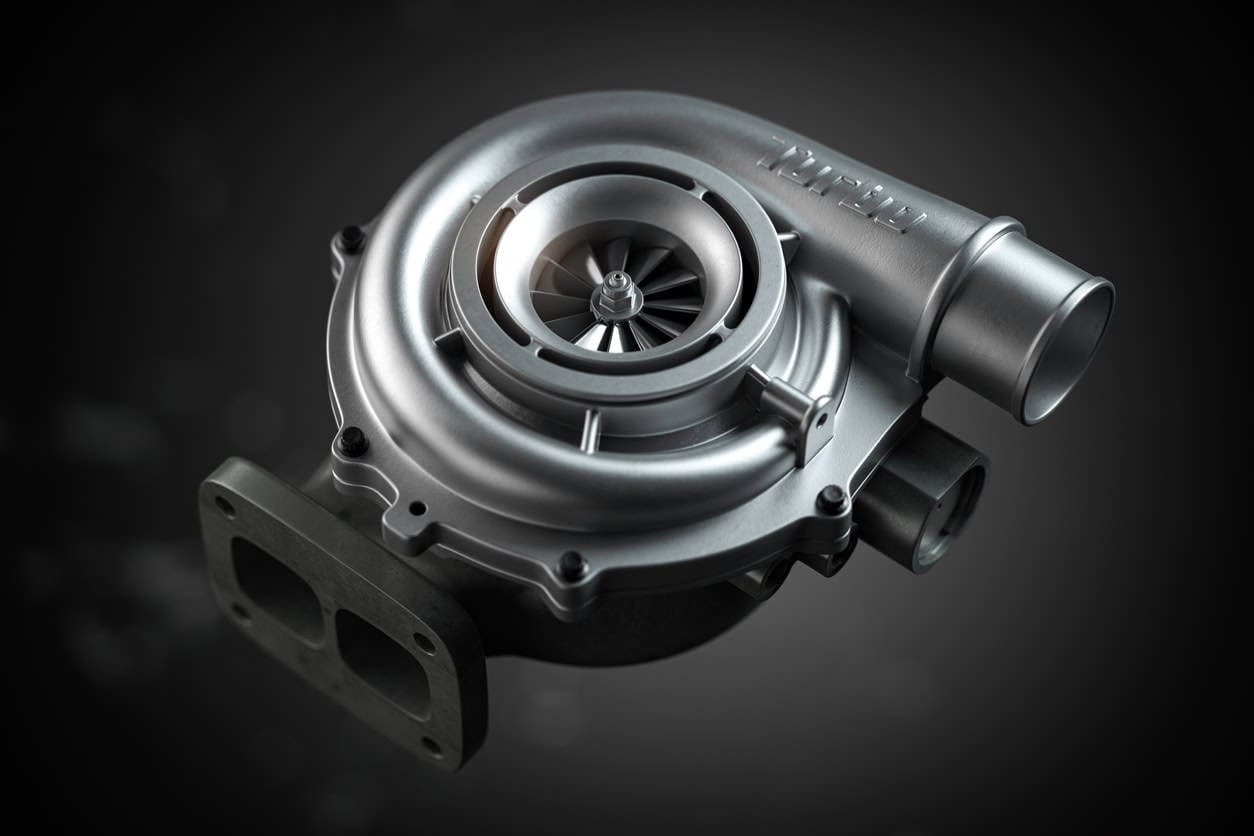
Turbo systems rely on controlled air pressure to operate reliably. When that pressure is not managed correctly, it can place unnecessary strain on key components. One part designed to prevent this is the turbo blow off valve, yet many everyday drivers are unfamiliar with what it does or why it matters. Read on to find out everything you need to know about these crucial turbocharger components.
What Is a Turbo Blow Off Valve Designed to Do?
A turbo blow off valve is designed to release excess air pressure from the intake system when it is no longer needed. This typically happens when a driver lifts off the accelerator, such as when slowing down or changing gear.
When the throttle closes, pressurised air has nowhere to go. The blow off valve opens briefly to release that pressure safely, preventing it from forcing its way back through the system. This controlled release helps maintain stable operating conditions and reduces unnecessary strain.
What Is a Turbo Blow Off Valve Doing When You Lift Off the Throttle?
During everyday driving, pressure builds quickly as air is compressed and delivered to the engine. When the throttle suddenly closes, that pressure remains momentarily trapped.
The blow off valve responds by opening and venting the excess air. This allows the system to stabilise before pressure builds again. The process is automatic and designed to protect components rather than alter how the vehicle drives.
Why Excess Pressure Causes Problems
Without a controlled release, trapped air pressure can rebound through the system. This creates shock forces that place stress on internal parts, particularly seals and bearings. Over time, repeated pressure spikes can accelerate wear even if no immediate fault is obvious.
How Pressure Release Protects the Turbo
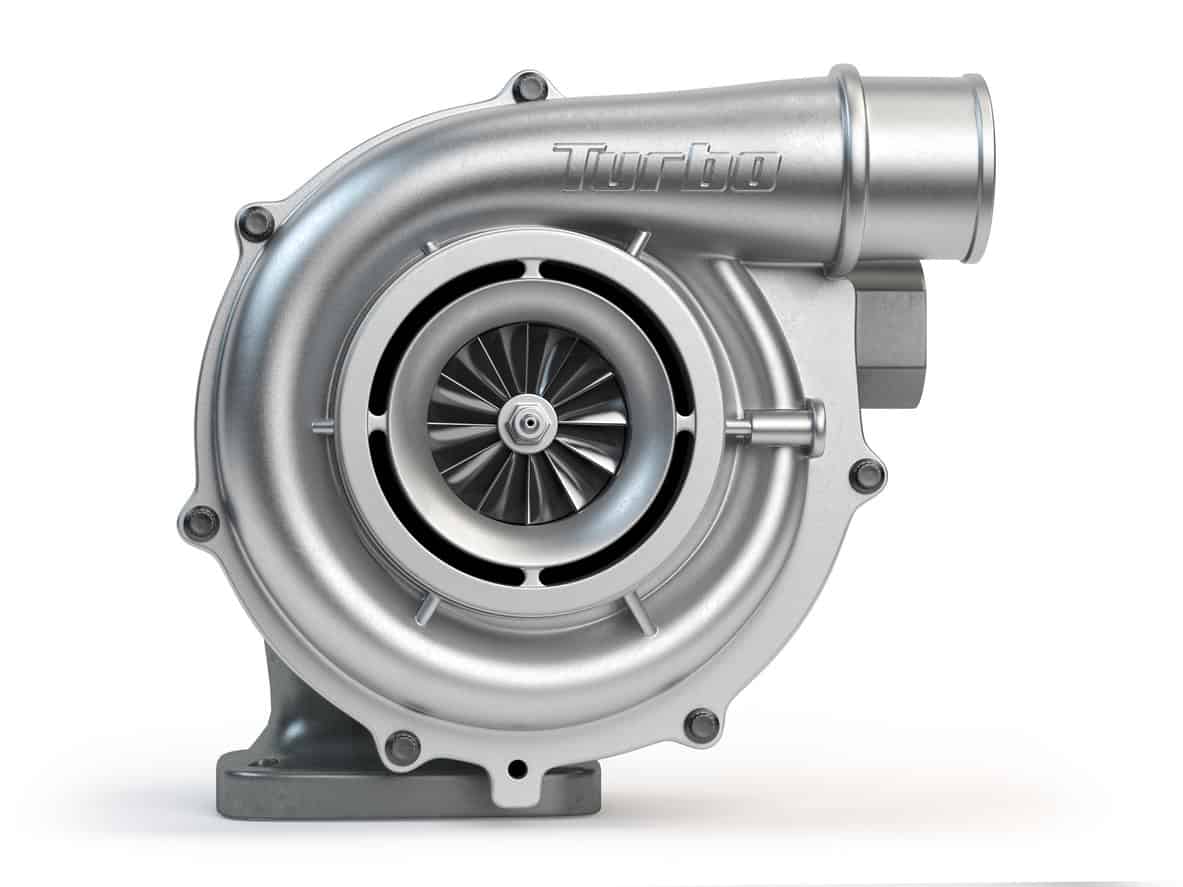
By allowing excess pressure to escape, the blow off valve helps the turbo operate within its intended limits. This reduces heat-related stress and supports smoother operation during deceleration and gear changes. The result is improved reliability rather than any change in driving characteristics.
Common Signs of Pressure Control Issues
- Unusual noises when lifting off the accelerator
- Hesitation between gear changes
- Repeated turbo-related wear over time
These symptoms are often linked to pressure management rather than a fault with the turbo itself.
Turbo Blow Off Valves vs No Pressure Release
| With Controlled Pressure Release | Without Pressure Release |
| Excess air is released safely | Pressure rebounds through the system |
| Reduced strain on seals and bearings | Increased mechanical stress |
| More stable operating conditions | Greater risk of premature wear |
| Supports long-term reliability | Higher likelihood of component damage |
This comparison highlights why pressure control plays such an important role in protecting the turbo over time.
Repair and Replacement Considerations
When pressure-related wear has already occurred, addressing the underlying cause is just as important as replacing the damaged component. Continued pressure imbalance can shorten the lifespan of any replacement unit.
Where replacement is required, it is worth noting that the kind of reconditioned turbos available from Essex Turbos offer a reliable option for everyday driving. These units are fully stripped, inspected, cleaned, repaired, reassembled, and tested to meet OEM standards. Supplied with an unlimited mileage warranty lasting one to two years, typically depending on whether the turbo is new or reconditioned, they provide reassurance without unnecessary cost.
When to Speak to a Turbo Specialist
If unusual noises or recurring issues persist, early advice can help prevent further damage. Accurate diagnosis ensures the correct cause is identified, whether that involves pressure control, component wear, or both. This clarity is valuable for private car owners looking to avoid repeat issues, as well as trade customers managing repairs efficiently.
Feel free to contact us to discuss your turbocharger options. Here at Essex Turbos, we often speak to motorists who only become aware of pressure related issues after experiencing unusual noises or repeated wear.
FAQs
What is a turbo blow off valve doing during everyday driving? It releases surplus pressure when you lift off the accelerator, helping the system stabilise before pressure builds again.
Can pressure control problems damage a turbo over time? Yes. Repeated pressure spikes can accelerate wear on seals and bearings, increasing the risk of premature turbo failure.
What is a turbo blow off valve designed to prevent? A turbo blow off valve is designed to prevent excess air pressure from rebounding through the system when the throttle closes, reducing strain on internal components.
Is a blow off valve essential for protecting a turbo? While not every system uses the same pressure control method, managing excess air pressure is important for reducing unnecessary strain on turbo components.