


What Actually Causes Turbo Problems?
When people talk about the downsides of a turbo, they are often really talking about the consequences of poor maintenance or delayed replacement. A turbocharger is a hard-working component. It operates under high heat and pressure, and it relies on a constant supply of clean oil to work as it should.
If servicing is missed, oil becomes contaminated, or wear starts to build inside the unit, the turbo can begin to suffer. Knowing how to tell if a turbo is bad at that stage matters, because the downside is not the presence of a turbocharger. It is the risk of what happens when a failing turbo is ignored.
This is why routine maintenance matters so much. A well-looked-after turbo can offer long, reliable service. A neglected one can quickly turn into a more expensive problem.
What Happens If You Ignore a Failing Turbo?
One reason drivers worry about the downsides of a turbo is that once something starts to go wrong, the effects can spread. A worn or damaged turbocharger does not always fail all at once. In many cases, the signs begin gradually and become worse over time.
There are 10 signs your turbocharger needs maintenance worth knowing, but the most common ones include:
- reduced power
- slower acceleration
- increased oil consumption
- smoke from the exhaust
- unusual whining noises
- inconsistent performance under load
Because these symptoms can come on progressively, it is easy to carry on driving and hope the issue is minor. In reality, leaving a failing turbo in place often increases the chance of wider engine-related problems and a more involved repair later on.
When Does a Turbocharger Actually Become a Problem?
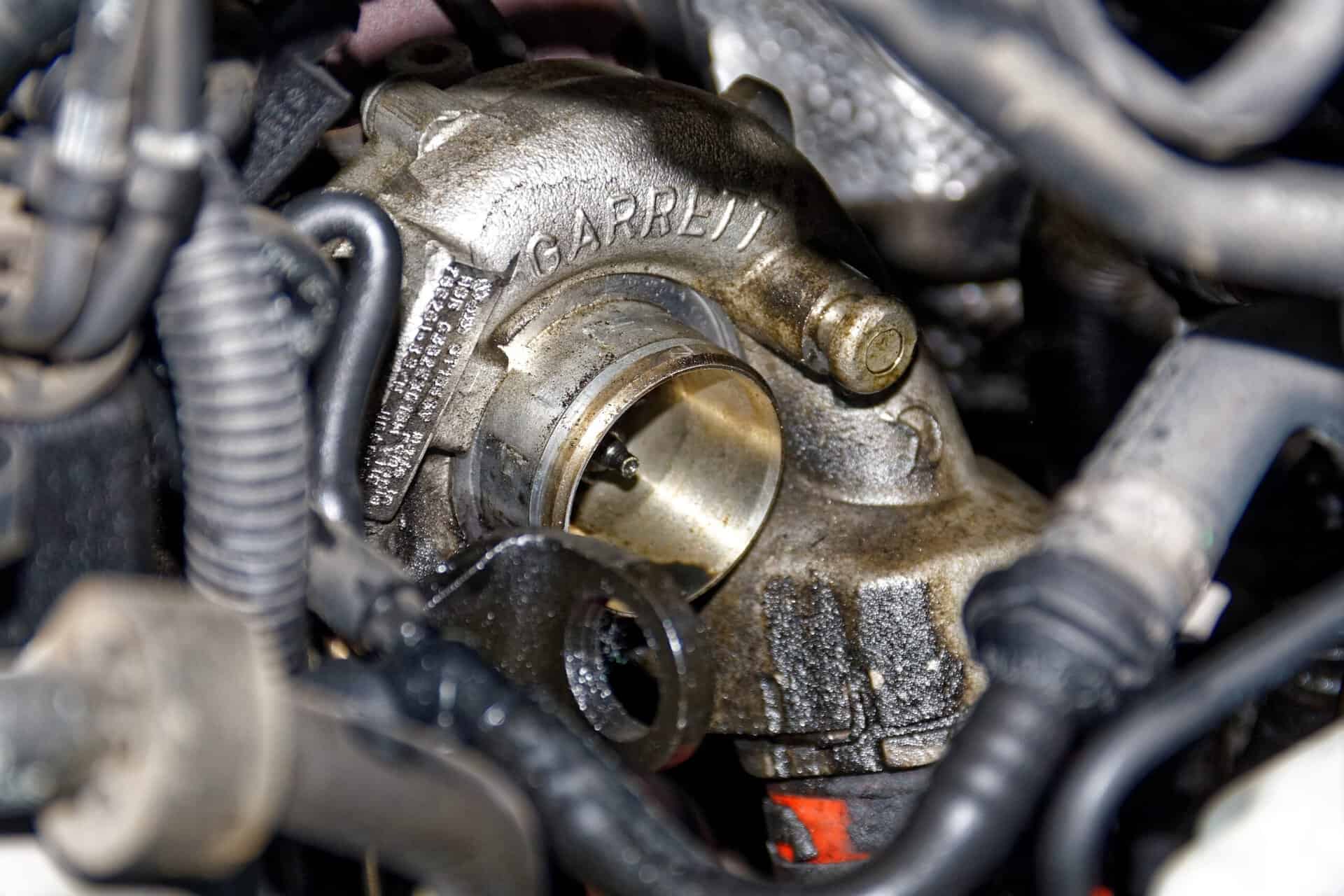

Regular servicing plays a major part in how long a turbo lasts. Consistent oil changes, using the correct oil grade, and dealing with warning signs early all help reduce unnecessary wear. But maintenance can only do so much once the turbo itself has started to fail internally.
At that point, replacement is often the correct solution.
A proper diagnosis is always important, because not every symptom automatically means the turbocharger is beyond saving. Blocked oil lines, poor lubrication, or related engine issues can produce similar symptoms. It is also worth knowing that a blocked DPF can contribute to turbo wear in ways that are easy to miss until the damage has already built up. Where the turbo itself is worn or damaged, fitting the right replacement is usually the clearest route back to reliable performance.
New or Reconditioned: Which Turbo Replacement Should You Choose?
When a turbocharger does need changing, quality matters. The right replacement should match the vehicle properly and be built to a standard you can rely on. For many drivers, that means choosing between a new turbo and a professionally remanufactured or reconditioned turbocharger.
A quality replacement can restore the way the vehicle should perform without unnecessary compromise. What matters most is that the underlying cause has been identified, the correct unit is selected, and the replacement is suitable for the vehicle.
That is what helps keep the process straightforward and reduces the chance of the same issue returning.
Are There Any Downsides of a Turbo?
In reality, the main downsides of a turbo are linked to wear, neglect, and delayed action rather than the technology itself. A turbocharger offers clear benefits in performance and efficiency, but like any major engine component, it needs proper care and timely replacement when problems start to show.
The real risk is not having a turbo. It is continuing to drive with one that is already wearing out.
At Essex Turbos, we supply new and remanufactured turbochargers for a wide range of vehicles. If your current unit is showing signs of wear, replacing it sooner rather than later can be the most practical way to protect your engine and restore reliable performance.