


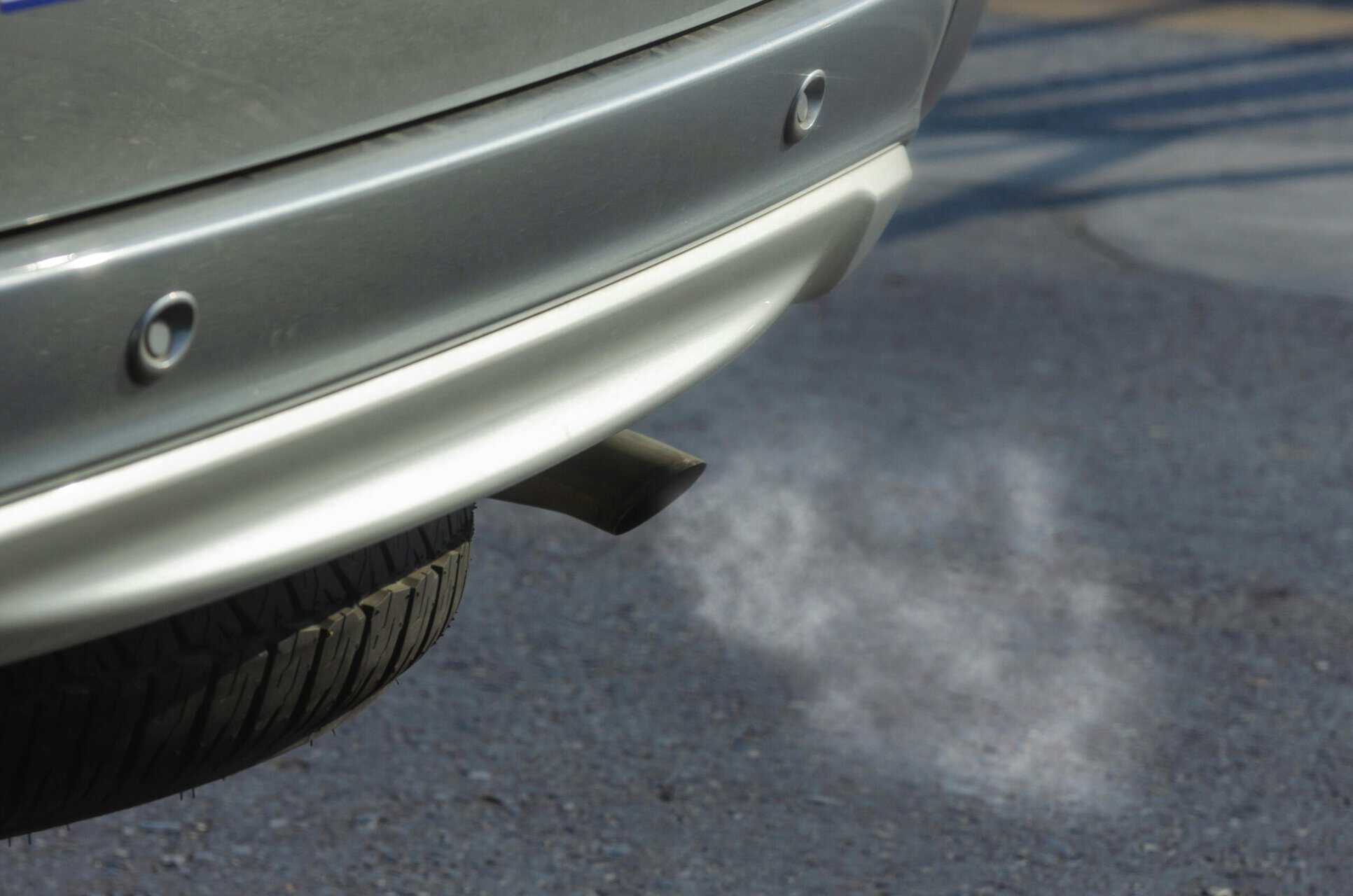
What White Smoke Usually Means
White smoke from the exhaust generally suggests that something other than fuel is entering the combustion or exhaust process. In many cases, that points to coolant, moisture, or sometimes oil that has not burned in the same way as it would with blue smoke.
That is why white smoke can be slightly less straightforward to interpret than blue smoke. The colour may look similar at a glance, but the underlying causes can be quite different. While the turbocharger can be involved, there may also be an engine-related issue behind it, which is why proper diagnosis matters.
If the smoke only appears briefly on a cold morning and then disappears, it may simply be condensation. If it continues once the engine is warm, becomes heavier under load, or is accompanied by other symptoms, it is worth investigating properly.
Why the Turbo Can Sometimes Be the Cause
A turbocharger may contribute to white smoke when it is no longer managing oil and airflow in the way it should. If seals or internal components begin to wear, fluids can pass into parts of the system where they do not belong. Depending on how the fault presents, the resulting exhaust smoke may appear lighter or whiter rather than clearly blue.
Some of the more common turbo-related causes include:
- Worn internal seals – as the turbo wears, seals can begin to let oil pass into the intake or exhaust side.
- Bearing wear – excess shaft movement inside the turbo can allow oil leakage and affect how the unit performs.
- Restricted oil return flow – if oil cannot drain away properly, it can back up inside the turbo and force its way past seals.
- Airflow or boost issues – when the turbo is not operating correctly, combustion can be affected in ways that contribute to unusual exhaust smoke.
In these cases, the smoke itself is only part of the picture. The wider concern is that a worn turbocharger can continue to deteriorate if the cause is left unresolved.
Other Causes That Can Look Similar
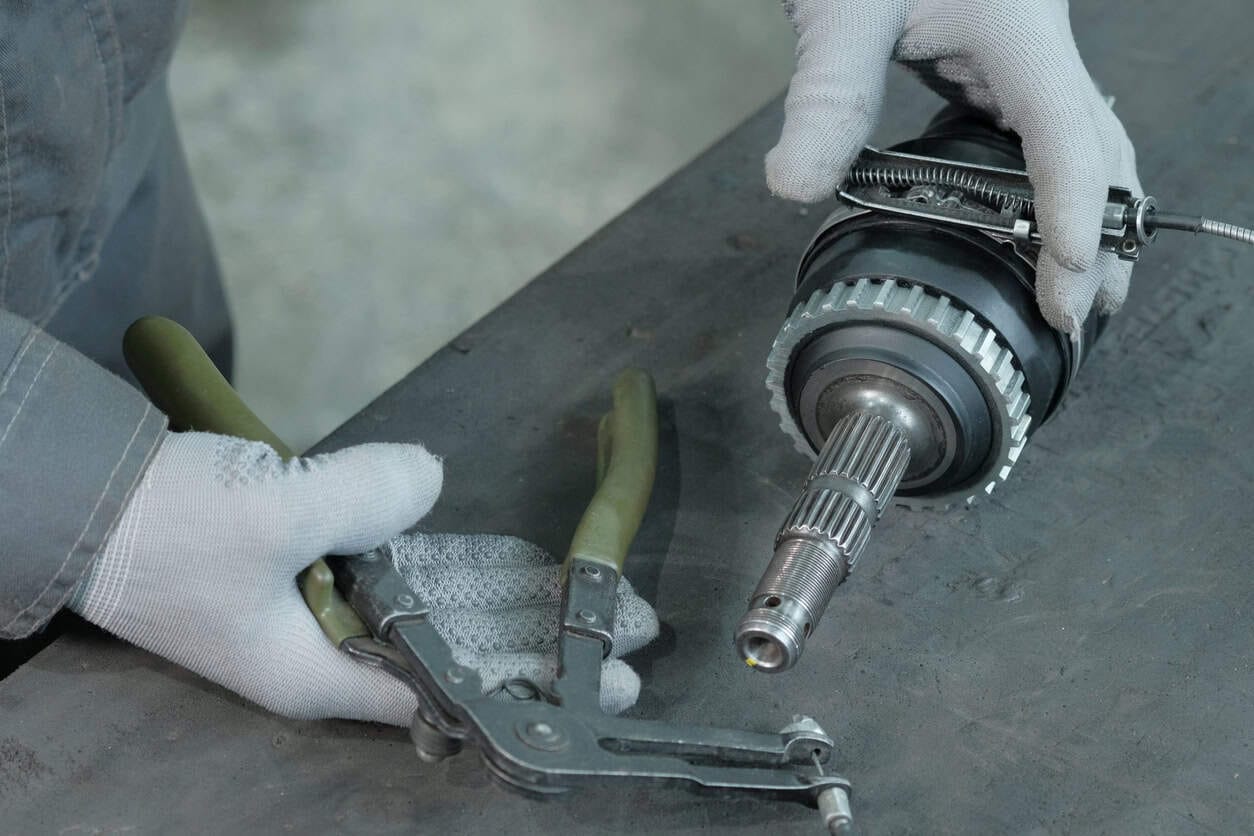

Not every turbo problem can be prevented entirely, especially on older vehicles, but regular maintenance makes a significant difference. Turbochargers depend on clean oil, correct lubrication, and a healthy surrounding system. When servicing is delayed or warning signs are ignored, wear tends to accelerate.
To reduce the risk of future issues, it helps to:
- Keep up with regular oil changes
- Use the correct oil grade for the vehicle
- Deal with leaks or warning signs early
- Check related pipework and oil lines when problems appear
- Avoid leaving smoke or power loss unresolved for too long
The main point is that prevention is usually easier than repair. And where a turbo is already showing signs of wear, replacing it before the fault worsens is often the more straightforward option.
Acting Early Usually Saves Trouble Later
White smoke is not always a sign of turbo failure, but it is always worth paying attention to if it persists. Left too long, a worn turbocharger or related system fault can lead to wider issues that are more disruptive and more expensive to put right. That is especially true if you continue driving once the signs are already there, as covered in our guide on what happens if you ignore turbo failure.
At Essex Turbos, we supply reconditioned turbochargers and replacement units for a wide range of cars and light commercial vehicles. If white smoke has made you suspect a turbo problem, getting the cause properly checked and replacing the unit when needed is usually the best way to restore performance and avoid bigger issues later on.