

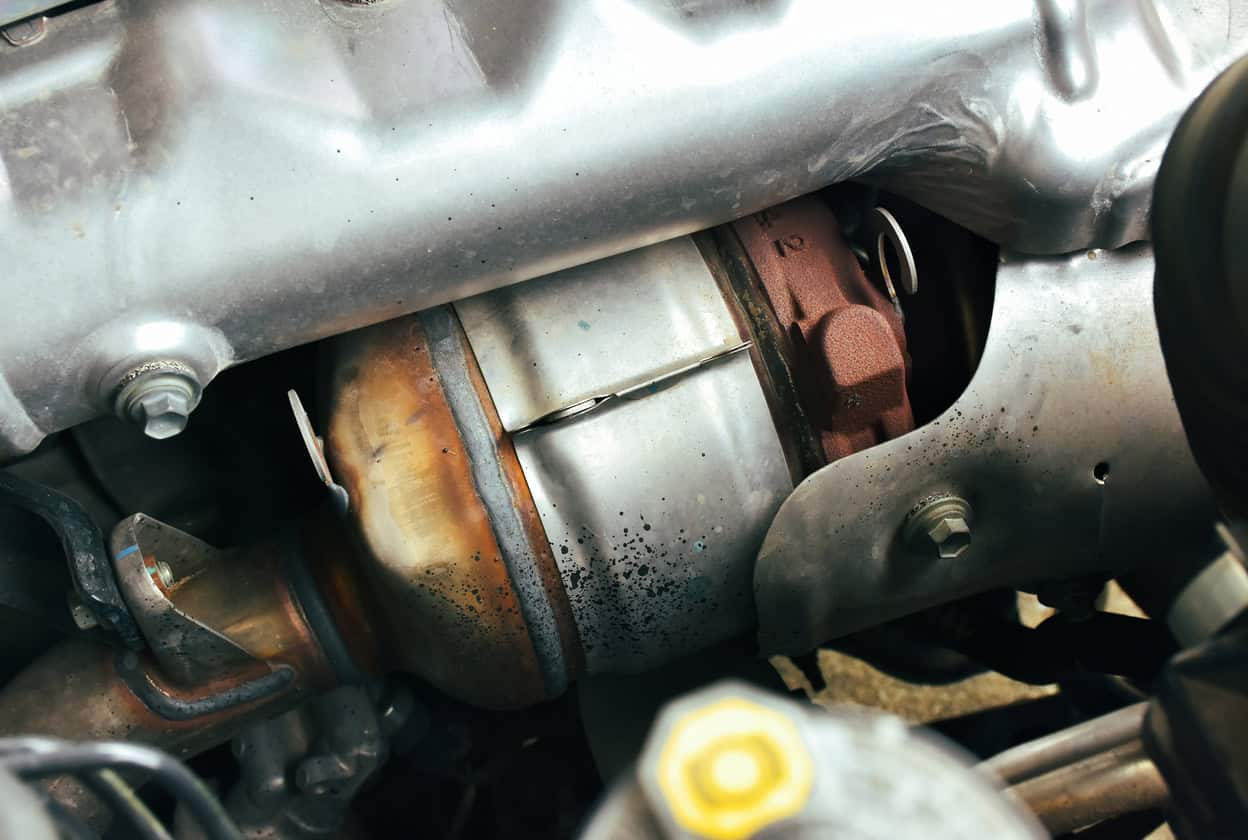


Why Turbo Repairs Can Become Expensive
A turbocharger works under a lot of strain. It has to cope with high temperatures, fast-moving internal parts, exhaust gases and a constant supply of clean oil. When a fault develops, the symptom may look simple, but the cause can be more serious.
Common turbo problems include:
- Worn bearings: These can create noise, movement inside the turbo and further internal wear.
- Damaged seals: Failed seals can allow oil to pass into areas where it should not be.
- Oil flow problems: Dirty oil, restricted oil supply or poor lubrication can damage the turbo quickly.
- Debris damage: Small objects or broken parts entering the system can harm internal components.
If the turbo has been running with poor lubrication or damaged internal parts, repairing one visible fault may not solve the wider issue. A garage may also need to remove the turbo, inspect related parts, clean oil from pipework or the intercooler, and check whether the old unit is suitable for repair.
Why Repair Is Not Always the Best Route
For most drivers, the priority is reliability. You want the car back on the road without worrying that the same fault will return.
A repair may seem cheaper at first, but it depends on the condition of the existing turbo. If the internal parts are worn, contaminated or damaged, a partial repair may only deal with the immediate symptom. It may not give the same reassurance as replacing the turbo with a properly prepared unit.
A failing turbo can also allow oil into the intake system, cause excessive smoke and affect how the engine runs. Continuing to drive with a damaged turbo can make the final repair more expensive. If you are unsure whether the old unit is worth keeping, it helps to understand when replacing your turbo makes sense.
What Are the Alternatives?
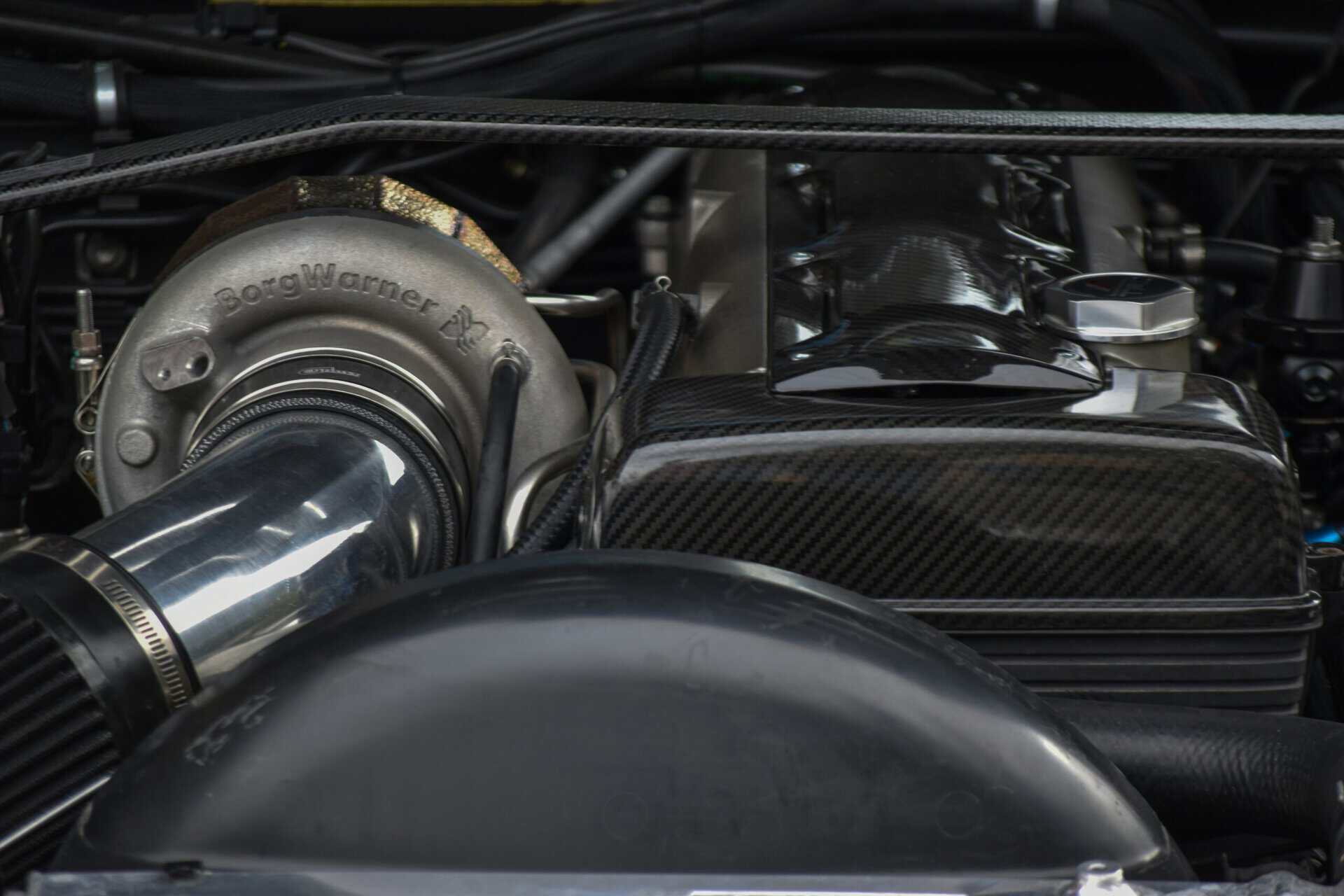
If your car needs a replacement turbo, buying a brand-new unit is not the only route. There are several options for everyday petrol and diesel cars.
- New turbo: A brand-new unit. This may be suitable in some cases, but it is often the most expensive option.
- OEM turbo: Made to match the original equipment standard for the vehicle. If you are comparing options, it can help to understand the difference between a new OEM turbo and other replacement choices.
- Remanufactured turbo: A used turbo that has been stripped, cleaned, inspected and rebuilt with replacement parts where needed.
- Reconditioned turbo: Prepared for reuse after inspection, cleaning and replacement of worn parts where required.
For many drivers, reconditioned turbochargers offer a practical balance between cost and reassurance. Because some turbo models can fit more than one vehicle, it is important to match the part properly rather than choosing by appearance alone.
Why Remanufactured and Reconditioned Turbos Make Sense
Remanufactured and reconditioned turbos can be a cost-effective alternative to repairing a badly damaged turbo or paying for a new one. They are useful when budget matters, or when the priority is getting the car running properly again without overspending.
Warranty support is another major benefit. A replacement turbo supplied with an unlimited mileage 1 to 2 year warranty gives more peace of mind than a limited repair. Quick UK shipping also matters if your car is already off the road, as waiting too long for the right part can be inconvenient and expensive.
Signs Your Turbo May Need Replacing

Warning signs can include blue or grey exhaust smoke, whining or siren-like noises, oil leaks, sluggish acceleration, increased fuel use or dashboard warning lights. Oil in the intercooler or intake system can also suggest a more serious turbo fault.
If these symptoms appear, have the car checked before continuing to drive for long periods. Ignoring the problem can lead to further damage and a higher final bill.
Choosing the Right Option
A turbo can be expensive to fix, but repair is not always the best answer. If the unit is badly worn or damaged, a remanufactured, reconditioned, new or OEM replacement turbo may offer better long-term value.
Essex Turbos supplies replacement turbos for petrol and diesel cars across the UK, including remanufactured, reconditioned, new and OEM options. With quick UK shipping and an unlimited mileage 1 to 2 year warranty, Essex Turbos can help you find the right replacement turbo for your vehicle. If you are unsure which option is suitable, you can also contact the team for support before ordering.