


Why Oil in the Intercooler Matters
The intercooler sits within the air intake system. Its role is to help cool air before it reaches the engine. A small amount of oily residue can appear in some intake systems over time, but a heavier build-up is different.
A larger amount of oil can mean oil is passing through the turbo and into the intake pipework. This often happens when internal seals are worn, bearings have developed movement, or the turbo is no longer controlling oil as it should.
Essex Turbos has a separate guide explaining how to tell if there’s oil in your turbo intercooler if you want to understand the warning signs in more detail.
When Does Oil Point to Turbo Failure?
Oil in the intercooler does not always prove the turbo has failed on its own, but it becomes more concerning when other symptoms appear at the same time.
Signs to look out for include:
- Blue or grey exhaust smoke: Oil may be entering areas where it is being burned.
- Sluggish acceleration: The engine may feel slower to respond than usual.
- Frequent oil top-ups: The car may be losing or using oil more quickly.
- Unusual whining noises: This can suggest wear inside the turbo.
- Oil in nearby pipework: Oil may have travelled further through the intake system.
If smoke is one of the clearest signs, this guide on blue smoke coming from your turbo may also be useful.
Why Cleaning Alone Is Not Enough
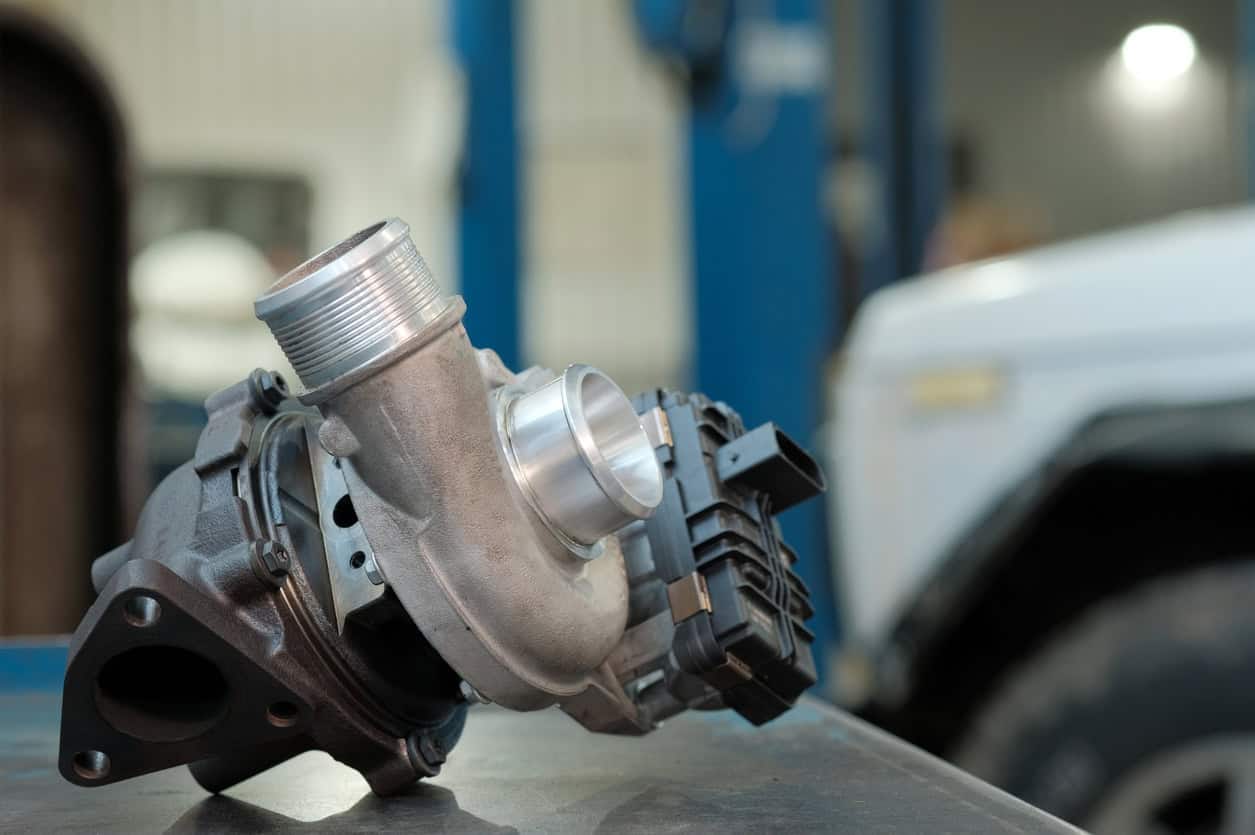
It can be tempting to see oil in the intercooler as a cleaning job. In reality, cleaning may only deal with the result of the fault, not the cause.
If the turbo is worn, oil can continue to pass into the intake system after the intercooler has been cleaned. That means the same problem can return, and the car may continue to smoke, use oil or run poorly.
This is why the source of the oil matters. If the turbo is responsible, replacement is usually the sensible route. The intercooler and related pipework may still need cleaning, but that should be part of dealing with the wider issue rather than the only step taken.
Can You Keep Driving?
Driving for a long time with oil in the intercooler is not a good idea. The car may seem usable, but that does not mean the fault is harmless.
Oil in the intake system can affect how the engine runs and may lead to heavier smoke or further contamination. If the turbo is already failing, continued driving can make the problem worse. In some cases, a turbo problem can become an engine problem if it is left for too long.
Replacing the Turbo and Cleaning the System
If the turbo has allowed oil into the intercooler, replacing the turbo is often only part of the solution. Oil left behind in the intercooler, hoses or intake pipework can create problems after the replacement unit is fitted.
That is why the surrounding system should be checked and cleaned where needed. Essex Turbos has more guidance on cleaning the oil system after turbo failure, which is relevant if contamination may have spread.
What Replacement Options Are Available?
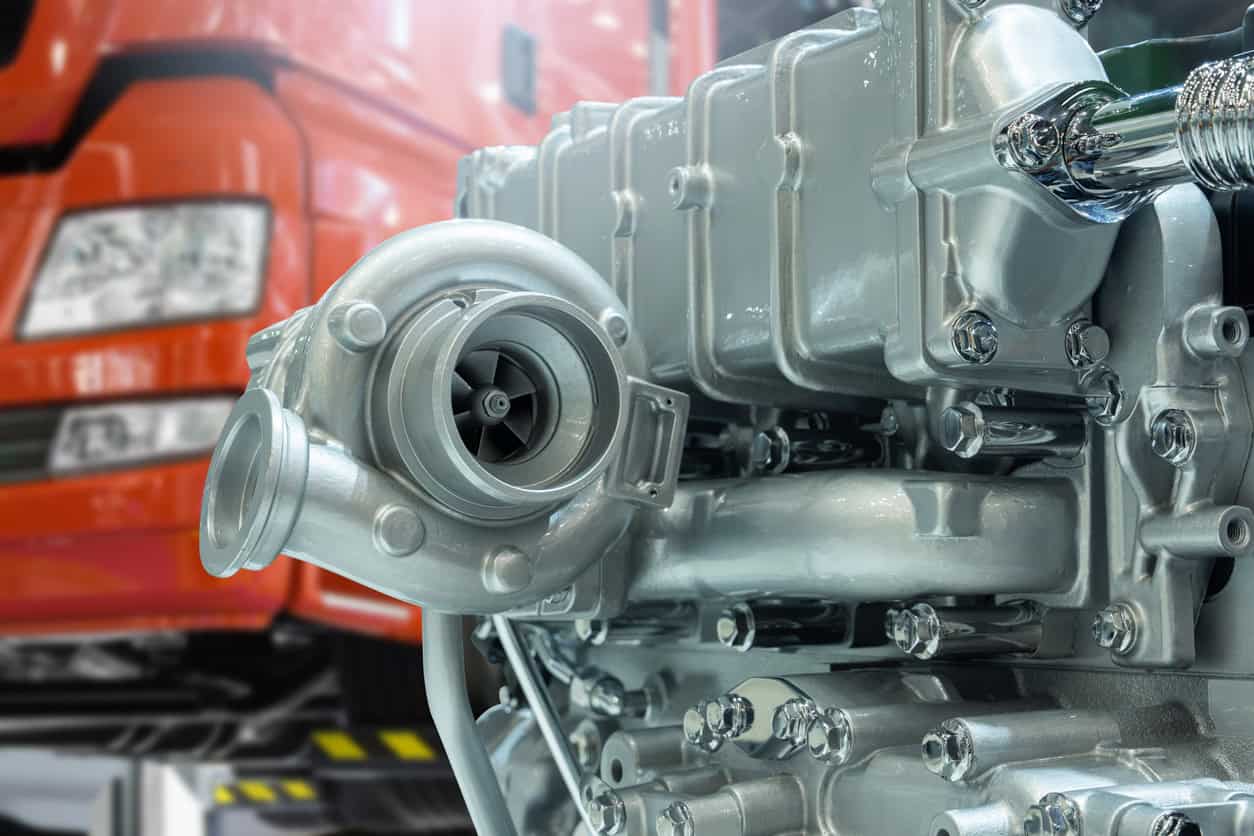
If the turbo needs replacing, the right choice depends on the vehicle, budget and type of unit required. Options can include new, OEM, remanufactured, refurbished and reconditioned turbos.
A new or OEM turbo may be the right choice for some petrol and diesel cars. For many everyday drivers, reconditioned turbochargers can offer a practical alternative when the original turbo has failed and a brand-new unit is not the only option worth considering.
Should You Replace the Turbo?
If oil in the intercooler is caused by worn turbo seals, bearing wear or internal turbo failure, replacing the turbo is usually the right decision. Cleaning the intercooler may be necessary, but it should not be treated as a full fix if the turbo is still allowing oil through.
Essex Turbos supplies suitable replacement turbos for petrol and diesel cars across the UK, including new, OEM, remanufactured, refurbished and reconditioned options. If you have found oil in the intercooler, you can find the right replacement turbo online, or contact the team for help choosing the correct option before ordering.